BART
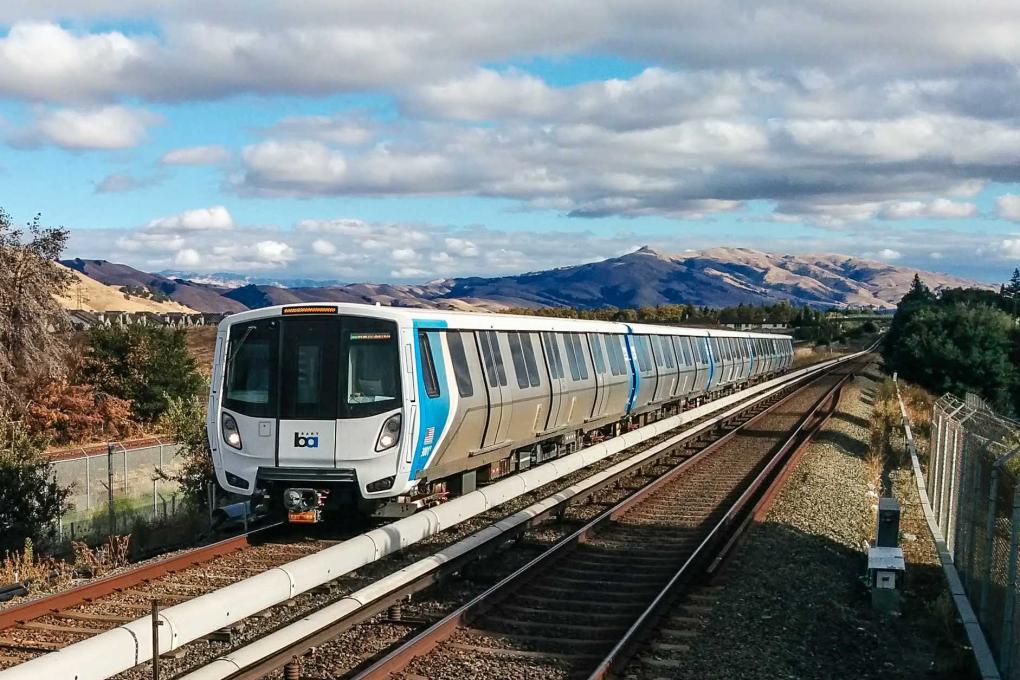
BART is seeking the public’s input on a proposed January 2026 less-than-inflation fare increase.
BART’s current funding model, the agency says, “relies on passenger fares to run safe, clean, and reliable service and to help pay for key improvement projects.” BART has a fare increase program that calls for small, regular, less-than-inflation increases every two years, with the next increase of 6.2% scheduled for Jan. 1, 2026. For a short trip like Downtown Berkeley to 19th St./Oakland, the regular fare is estimated to increase by $0.15, and for a longer trip like Antioch to Montgomery, it’s estimated to increase by $0.55, according BART.
This proposed increase, the agency says, “will help minimize the risk of service cuts while BART explores a long-term funding solution to restore financial stability, as some riders are taking fewer trips than before. Fares continue to be an important funding source to continue to meet the needs of riders who rely on BART.”
Learn more and share your opinions by taking the survey online at bart.gov/faresurvey2025 or in-station at the locations listed below. The survey closes March 18. Respondents may choose to enter to win a $50 Clipper card at the end of the survey. It is available in multiple languages.
In-station survey locations:
- Lake Merritt | Tuesday, March 4, 7am – 9:30am
- Pittsburg/Bay Point | Thursday, March 6, 3pm – 6pm
- Fruitvale | Monday, March 10, 7am – 9:30am
- El Cerrito del Norte | Wednesday, March 12, 3am – 6pm
- Montgomery St | Thursday, March 13, 7am – 9:30am
Valley Metro
Valley Metro and the city of Phoenix are continuing preparations for the opening of the South Central Extension/Downtown Hub project. As testing advances into the next phase, the agency says the community will notice increased train activity in downtown Phoenix ahead of the extension opening later this year.
Trains will be operating more frequently along on the following areas (see map below):
- McKinley Street to Sherman Street along Central and 1st Avenues
- 5th Street to 3rd Avenue along Washington and Jefferson Streets

During testing the following platforms/stations will remain closed until the official opening in mid-2025:
- Washington Street (west of Central Avenue)
- Jefferson Street (west of Central Avenue)
- Central Ave (between Jefferson and Washington streets)
- Lincoln/1st Ave
- Lincoln/Central Ave
- Buckeye/Central Ave
- Pioneer/Central Ave
- Broadway/Central Ave
- Roeser/Central Ave
- Southern/Central Ave
- Baseline/Central Ave
More information on the project is available here.
Skyline
The Honolulu City Auditor has released an audit of Skyline, an automated fixed-guideway rail system that runs along O’ahu’s south shore, connecting East Kapolei and Halawa and is planned to extend to the Civic Center near downtown Honolulu.
The objectives of the audit, Audit of the Skyline Operations (download below), which was self-initiated pursuant to the authority of the Office of the City Auditor, were to:
- “Determine the effectiveness of the Department of Transportation Services’ (DTS) efforts to promote and increase Skyline ridership.
- “Evaluate DTS’s efforts to identify and implement improvements related to the reliability of multimodal transportation.
- “Assess the sustainability of Skyline’s operations.
- “Make recommendations, as appropriate.”
The audit found that “despite a favorable reliability rate of 99.2%, ridership on the Skyline rail system has fallen short of expectations, with a 77% decline from its opening in July 2023 to December 2023. This decline, Acting City Auditor Troy Shimasaki said in a letter preceding the audit, is attributed to several factors, “including limited-service area coverage, inadequate operating hours, and insufficient integration with other transportation modes.”
Additionally, public transportation commuters face “disproportionately longer travel times compared to solo drivers, diminishing Skyline’s appeal as a commuting option,” according to the audit. Lastly, marketing efforts, including social media campaigns, “have been less effective compared to peer transit systems, resulting in missed opportunities for collaboration with local events and businesses.” Despite generally positive rider feedback on the overall experience, “concerns persist regarding limited payment options, insufficient station amenities, and the need for extended operating hours,” according to the audit. These challenges, Shimasaki says, “highlight the need for strategic changes to improve ridership and enhance the system’s overall performance.”
The audit also found that Skyline stations provide accessible rail cars that meet design standards; however, “the surrounding areas present safety and usability concerns that undermine the accessibility goals of the Americans with Disabilities Act (ADA) and local pedestrian access guidelines.” Furthermore, DTS is responsible for the multimodal movement of people and goods on roadways, which includes riders getting to and from surrounding areas, including bus stops, pickup areas, and crosswalks.
Observations conducted at Skyline stations, according to the audit, revealed a variety of hazards, “including trip hazards, poor sanitation, and insufficient infrastructure for individuals with disabilities. These issues not only pose safety risks but also increase potential liabilities for the city. To ensure equitable and safe transit access, the department should address the gaps in compliance and infrastructure surrounding these stations,” Shimasaki said.
Lastly, the audit found that in its effort to create a multimodal system with Skyline, DTS did not include multilanguage information when changes were made to existing bus routes that were used by people with Limited English Proficiency (LEP). “As the agency overseeing Honolulu’s multimodal transit system, DTS is obligated to ensure equitable access for LEP individuals. Despite this mandate, Skyline lags behind TheBus and TheHandi-Van in providing comprehensive multi-language resources. Barriers to riding Skyline increased as a result of not having multi-language resources and people with LEP may have difficulty using Skyline. Because other transit agencies such as TheBus and TheHandi-Van feature multilanguage tools, Skyline should also include multi-language resources for people with LEP,” according to the audit.
The audit report makes 10 recommendations to DTS to improve current Skyline operations. They are as follows:
- “Offer service amenities similar to other jurisdictions and best practices to increase ridership and public satisfaction.
- “Collaborate with events that can utilize Skyline and the city’s multimodal system, and coordinate with those already promoting Skyline to enhance public awareness through shared communication channels.
- “Offer other methods of payment including payments via mobile phone or HOLO card app to address gaps in supply and demand of physical cards and increase rider experience.
- “Expand social media efforts to target core and untapped demographics through tailored campaigns across various platforms to increase engagement.
- “Conduct regular surveys to understand community needs, improve service equity, and demonstrate the value of public input.
- “Develop and implement a system that meaningful access to persons that have Limited English Proficiency on Skyline including but not limited to: Multi-language signage at stations and on trains, multi-language accessibility on Skyline’s webpages, multi-language resources for Skyline and intermodal connectivity with TheBus and TheHandi-van.
- “Prioritize repairs to sidewalks, potholes, and pipes, and implement regular maintenance to address hazards and ensure ADA compliance.
- “Reestablish regular consultations with disability advocacy groups to ensure improvements meet mobility needs and enhance transit safety.
- “Periodically evaluate station surroundings for ADA and Hawai’i accessibility guidelines, using metrics to identify and address issues.
- “Expedite construction of the Pearl Highland Waiawa Station pedestrian bridge to eliminate critical accessibility barriers.”
DTS provided general comments in response to the findings and recommendations and says it will “review and take into consideration all recommendations in the report and strive towards implementation and improvement of Skyline operations.”
VIA Rail
VIA Rail on March 3 announced the launch of its Locomotive Engineer Apprenticeship Program (LEAP) in Northern Manitoba, “offering a unique opportunity for individuals in the region to start a rewarding career in the rail industry.” As VIA Rail continues its long-term modernization efforts—including the procurement of a new fleet for its long-distance, regional, and remote routes—this program, VIA Rail says, “ensures the company has a highly skilled workforce ready to support the future of passenger rail in Canada and keep communities connected.”
With 24 months of paid training, the LEAP program, VIA Rail says, is designed to attract a diverse group of candidates, including those in mid-career transitions, career changers, and individuals looking for long-term, stable employment in an exciting and essential role in the transportation industry. With this program, VIA Rail says it is “not only investing in its future workforce but also in the growth and development of local communities such as Thompson, Gillam, The Pas, and surrounding areas, as well as Indigenous communities.”
The LEAP program offers the following:
- 24-month paid apprenticeship: Selected candidates will earn while they learn, starting September 2025.
- Job security and stability: Graduates of the program will have the opportunity to build a long-term career with VIA Rail.
- Training in Northern Manitoba: Apprentices will be based in Thompson, with on-the-job training in The Pas and Gillam.
- Diversity and inclusion: VIA Rail strongly encourages applications from individuals of all backgrounds, particularly from Indigenous and Northern communities.
To help potential applicants understand the program, VIA Rail will be hosting in-person awareness sessions in Winnipeg and Thompson, Manitoba:
- Winnipeg: March 5 and 6, at VIA Rail’s Winnipeg Station, from 9:00 AM – 12:00 PM and 1:00 PM – 4:00 PM (123 Main Street, Winnipeg)
- Thompson: March 20, at Best Western Hotel, from 10:00 AM – 4:00 PM
These sessions, VIA Rail says, will provide insights into the training process, career opportunities, and the role of locomotive engineers at the company. VIA Rail representatives will be available to answer questions and guide interested applicants through the application process.
Applications for the September 2025 cohort opened on March 3, 2025. Interested candidates can apply here. The application period will remain open until April 4, 2025. More information about the program, eligibility criteria, and the application process are available here.