

UP in June 2022 filed a petition for exemption to allow the rail line’s launch in connection with the Pecos Industrial Rail Access and Train Extension Project or the PIRATE project. The line would connect the Pecos Advanced Manufacturing Zone (PAMZ) to the UP main line west of the project area and provide rail service for Commercial Metals Company (CMC)—said to be largest manufacturer of steel rebar in North America and Central Europe, as well as a leading producer in the steel long products market—as well as an alternative mode of freight transportation to future shippers (see maps below). According to UP, the line will allow CMC to receive raw materials and ship products to customers by rail more efficiently from two facilities in Mesa, eliminating an estimated 35,000 trucks per year.
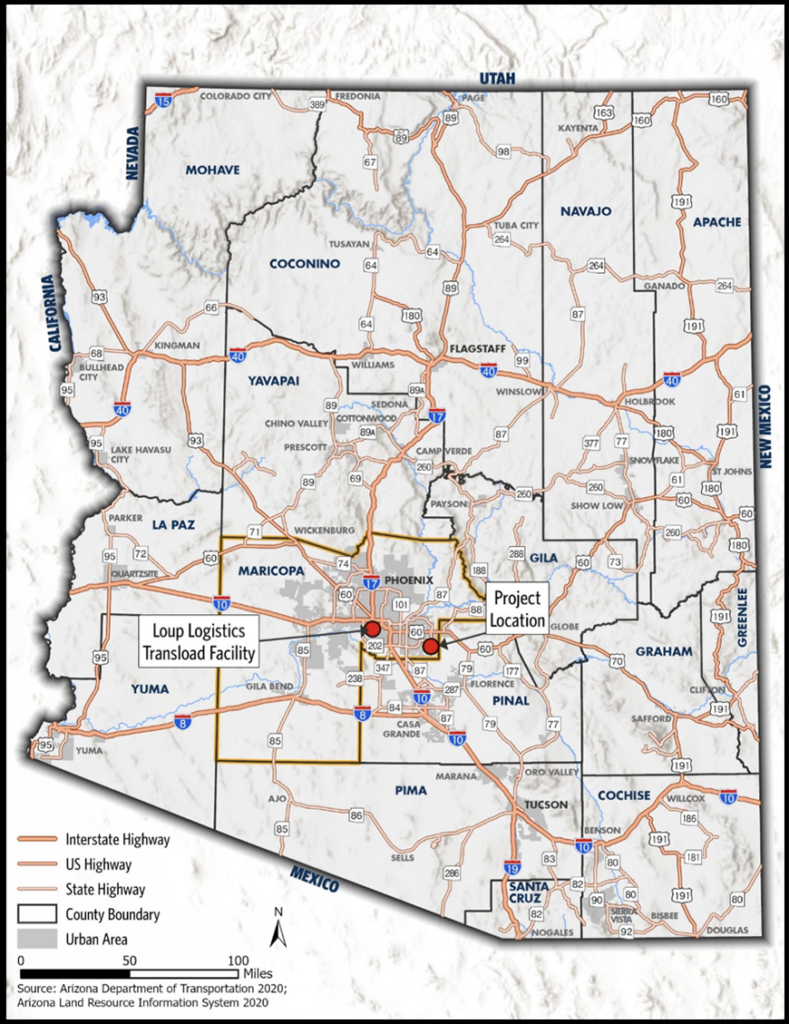
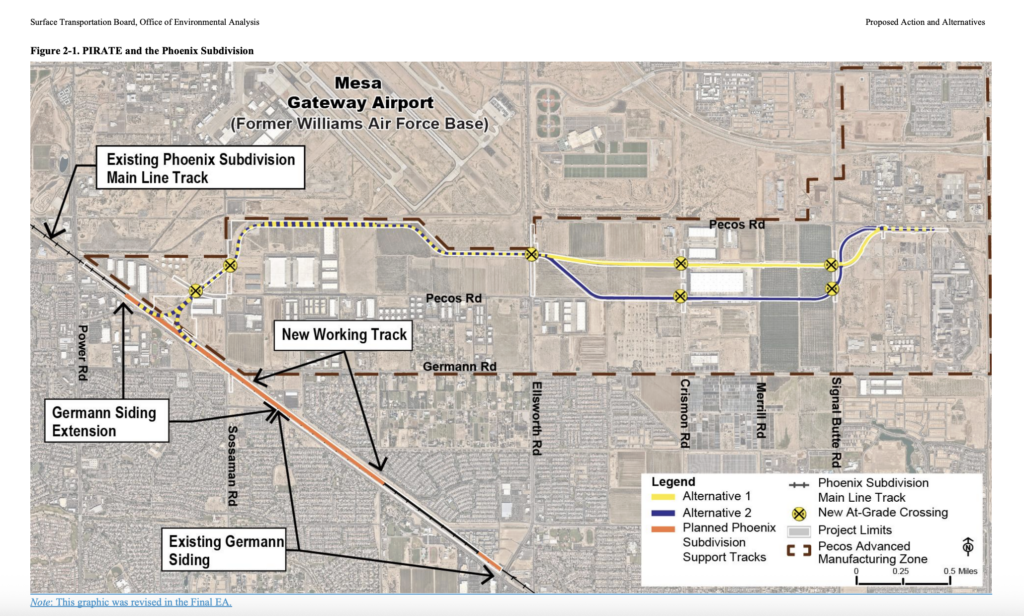
“Construction and operation of the Line will introduce a new freight transportation option in the PAMZ for both current and potential future shippers,” the STB said in its decision (download below).
“It will also facilitate the diversion of traffic from truck to rail, thereby increasing overall energy efficiency,” the STB continued. “With OEA’s [the STB’s Office of Environmental Analysis] final recommended mitigation, there will be no potential for significant environmental impacts from construction and operation of the Line.” After considering the transportation merits and environmental issues, the Board, considering the entire record, said it approved Alternative 1 in the Draft and Final Environmental Assessments (EAs), subject to compliance with the environmental and historic mitigation measures set forth in its decision Appendix (see Alternative 1 details below). “This action, as conditioned,” it noted, “will not significantly impact the quality of the human environment or the conservation of energy resources.”
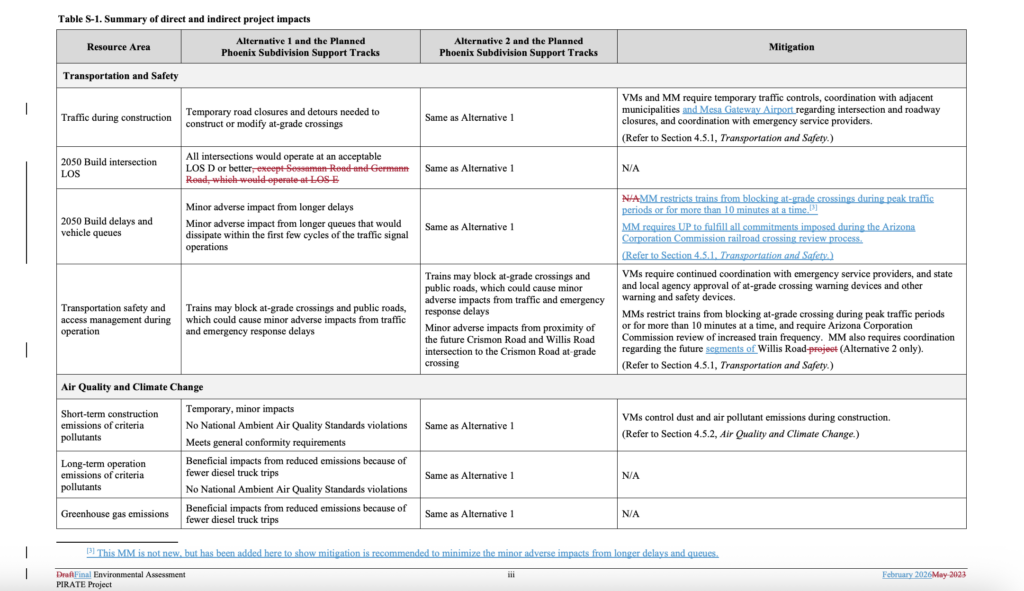
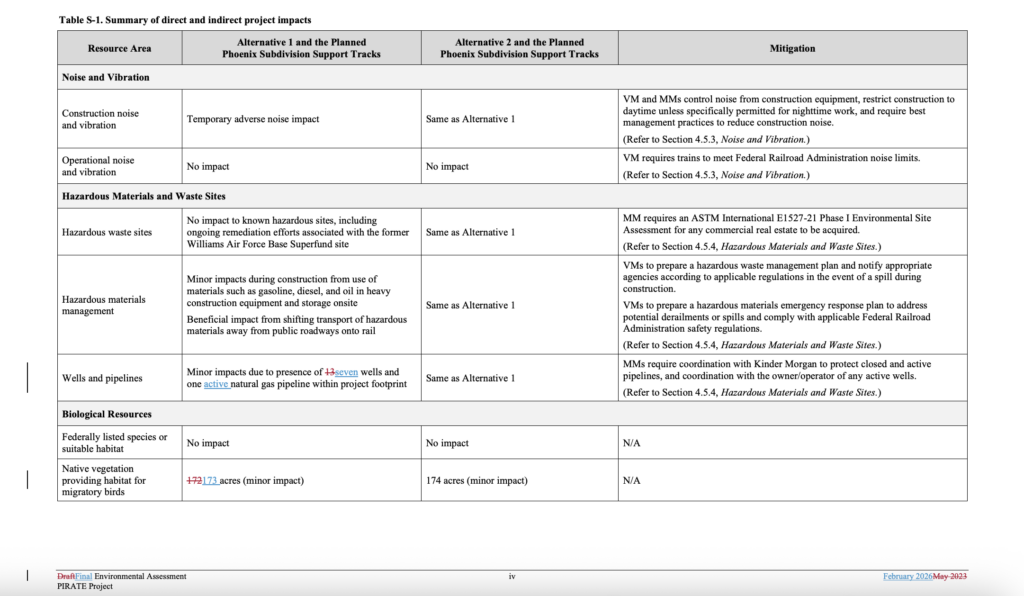
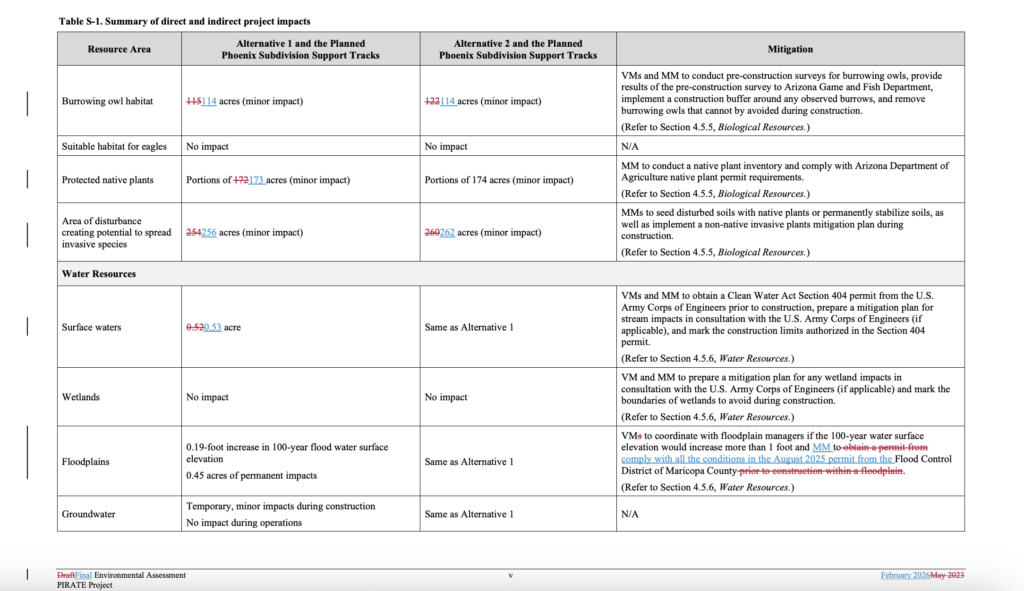
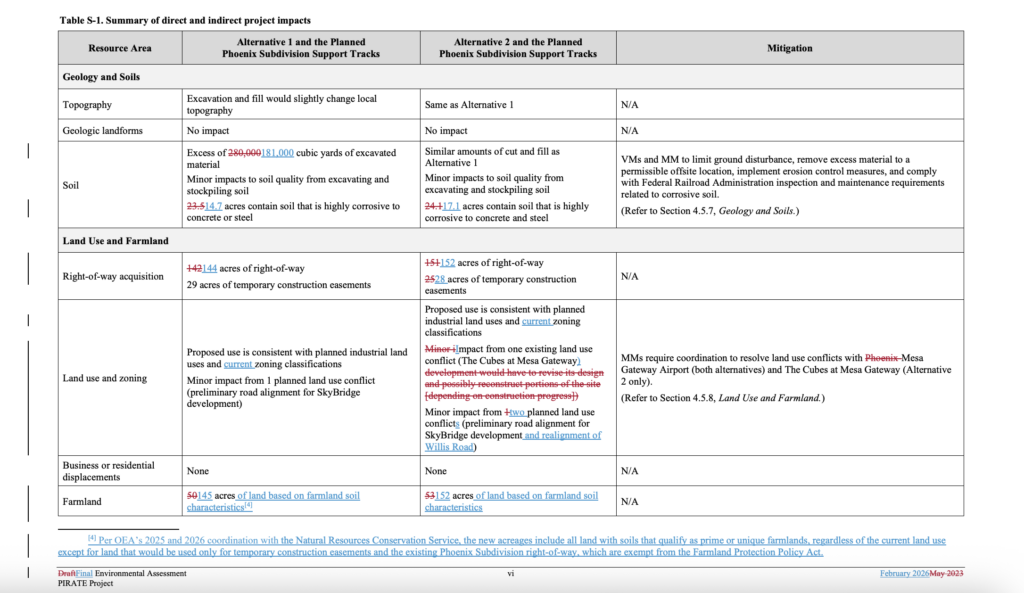
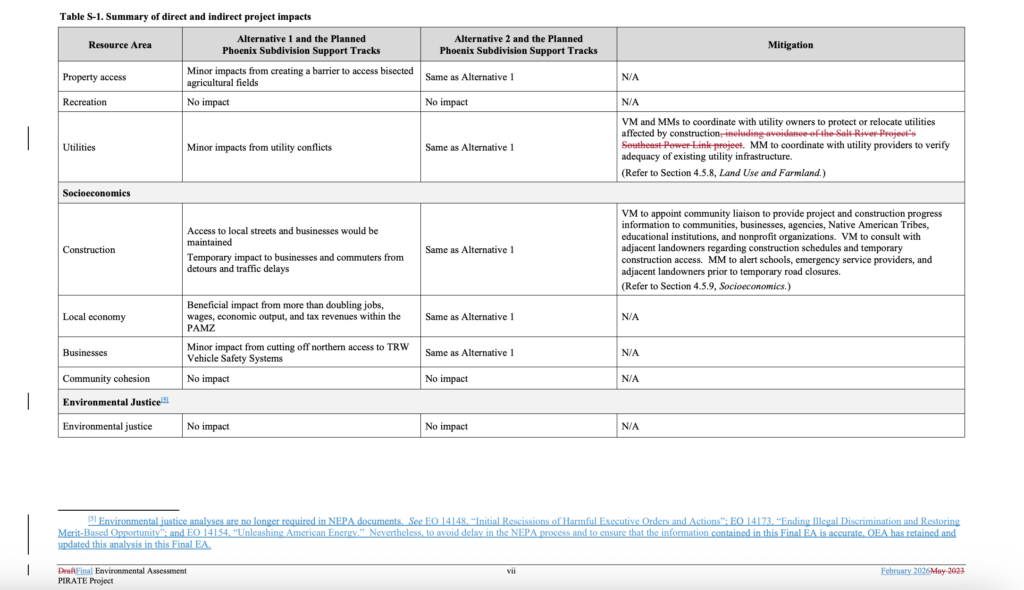
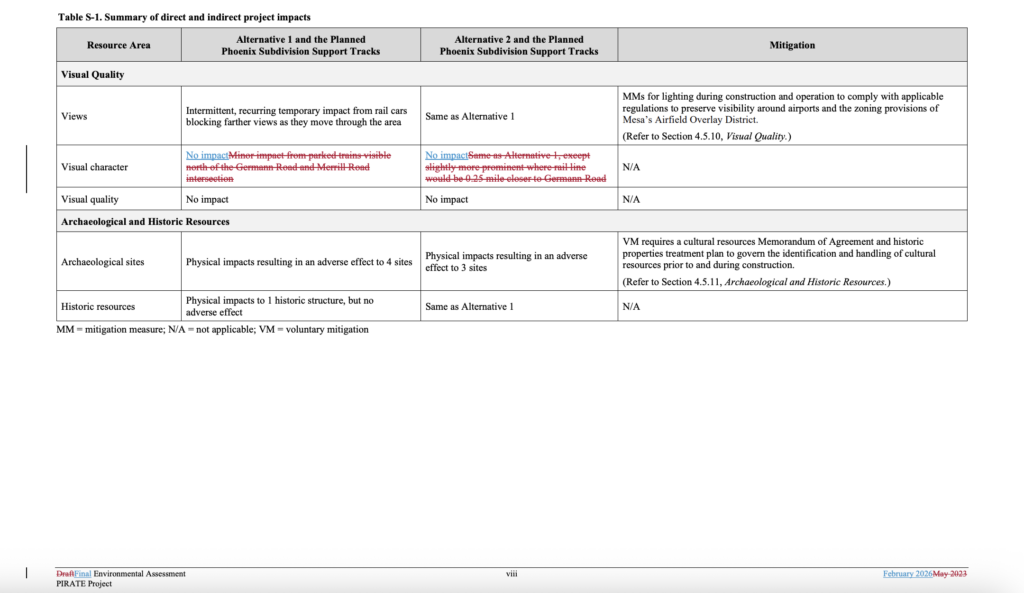
OEA in August 2023 delayed issuance of a Final EA after discovering that “there had been significant ground disturbance and damage to National Register of Historic Places-eligible archaeological resources within the proposed right-of-way,” according to the STB. “Following briefing on the issue, the Board was unable to reach a majority decision on whether a violation of NHPA had occurred, and the historic review process under NHPA resumed.” OEA on Feb. 27, 2026, issued a Final EA updating the environmental analysis and responding to the comments received on the Draft EA. “In the Final EA, based on that analysis, OEA determined that the conclusions in the Draft EA remain valid,” STB reported. “The Final EA also recommended conditions to the Board to avoid, minimize, or mitigate the project’s potential impacts on the environment and historic properties.”
While this project “satisfies the criteria for exemption,” the STB noted, “UP’s failure to adequately protect the identified National Register-eligible archaeological sites in the APE from disturbance during the pendency of the proceeding was deeply troubling. UP represents that it has instituted several new practices to ensure that, going forward, cultural resources are not disturbed or damaged during the pendency of the NHPA Section 106 process for a construction project … UP acknowledges that failures in communications and lack of awareness of the historic review process by various UP personnel are ‘unacceptable’ and ‘in need of correction’ … Should a future lapse in awareness or communications by UP personnel (or agents acting on UP’s behalf in connection with a construction project) result in impermissible disturbance or damage to cultural property, the Board will closely scrutinize UP’s conduct and consider whether significant consequences are appropriate. The Board expects UP to take all necessary steps to ensure that cultural resources are not disturbed or damaged during the Section 106 process in future construction cases.”
According to the STB, petitions for reconsideration must be filed by April 2, 2026.




