
PHMSA: $32MM to Support First Responders, Improve Hazmat Safety
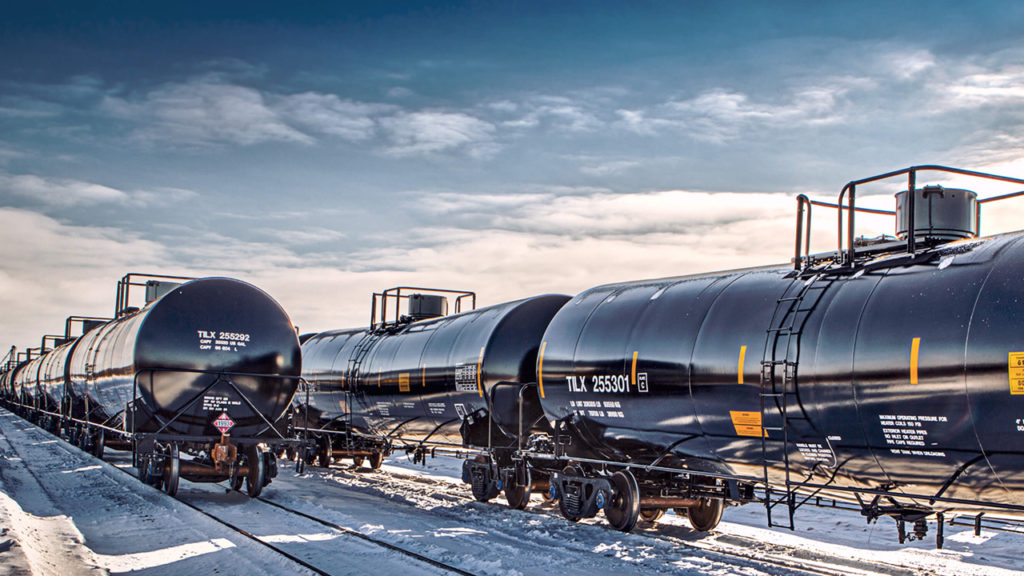
Grantees will use the funds to train first responders; educate the public on local safety initiatives, including pipeline damage prevention; and develop community incident response plans, according to PHMSA, which issued the Notices of Funding Opportunities in February.
Following is the award breakdown:
- $21.9 million in Hazardous Materials Emergency Preparedness (HMEP) grants for states, territories, and tribes to aid in the development, implementation, and improvement of emergency plans for local and tribal communities and first-responder hazmat training. PHMSA said it allocates HMEP funds to states and territories on a three-year performance basis using a risk-based formula. It is providing $20,075,390 in Year 3 funding to 48 states and two U.S. territories, and $1,796,015 to eight federally recognized tribes and two tribal organizations.
- $4 million in Hazardous Materials Instructor Training (HMIT) grants to support the training of hazmat instructors and for such instructors to train hazmat employees. Seven non-profit organizations and one institute of higher education will share the $4 million grant total. Among them: International Brotherhood of Teamsters ($749,290), Short Line Safety Institute ($561,204), and Texas A&M Engineering Extension Service ($521,215).
- $2.7 million in Supplemental Public Sector Training (SPST) grants to support the training of hazmat instructors who conduct hazmat training programs for first responders. Two non-profit organizations will receive funding: International Association of Fire Fighters ($1,999,999) and National Volunteer Fire Council ($739,486).
- $2.6 million in Assistance for Local Emergency Response Training (ALERT) grants to support the training of volunteer or remote emergency responders to respond to incidents involving hazmat shipments by rail. The five eligible non-profit organizations sharing the $2.6 million total are: American Chemistry Council ($495,357); International Association of Fire Chiefs ($277,772); International Association of Fire Fighters ($500,000); Short Line Safety Institute ($350,000); and The Center for Rural Development ($1,000,000).
- $1 million in Community Safety Grants (CSG) to support projects that improve the capabilities of communities to respond to hazmat emergencies and the training of state and local enforcement personnel responsible for enforcing the safe transport of hazmat. Four non-profit organizations are sharing the funds: American Chemistry Council ($350,000); Commercial Vehicle Safety Alliance ($350,000); International Association of Fire Chiefs ($100,000); and Sustainable Workplace Alliance ($200,000).
- $179,865 in Hazardous Materials State Inspection (HMSI) grants to support the costs for state-run hazmat shipper inspections. The two recipients are: Public Utilities Commission of Ohio ($156,671) and Vermont Agency of Transportation, Department of Motor Vehicles ($22,194).
“To help carry out the Biden-Harris Administration’s focus on helping underserved rural and urban communities, these grants focus on preparing and training heroic first responders that are often first on scene to hazardous materials-related emergencies,” PHMSA reported. “This includes a nearly 50% increase in grants from the Hazardous Materials Emergency Preparedness grants for Federally Recognized Indian tribes, including new recipients in Alaska, Oklahoma, California, and the Dakotas (Central Council Tlingit and Haida Indian Tribes, Choctaw Nation of Indians, Dry Creek Rancheria Band of Pomo Indians, and Standing Rock Sioux). Additionally, the Supplemental Public Sector Training grants include nearly $2 million for a grant to the International Association of Fire Fighters that aims to increase hazmat training for firefighters by nearly 170% and for the second year in a row also provides support to the National Volunteer Fire Council to support volunteer firefighters.”
DOWNLOAD COMPLETE GRANT AWARD LIST BELOW:
Separately, PHMSA in June reported finalizing a new rule that would require railroads “to proactively provide” real-time, electronic information about hazmat rail shipments to first responders and to the primary Public Safety Answering Point (for example, a 9-1-1 call center or emergency responder phone app such as the AskRail Mobile App) “as soon as the railroad is aware of an accident or incident involving hazardous materials.”




