
BART
On Monday, March 2, BART rolled out new fare gate tones that it says are “more pleasing and audible” over station background noise, making stations more welcoming and simpler to navigate, especially for blind and low-vision riders.
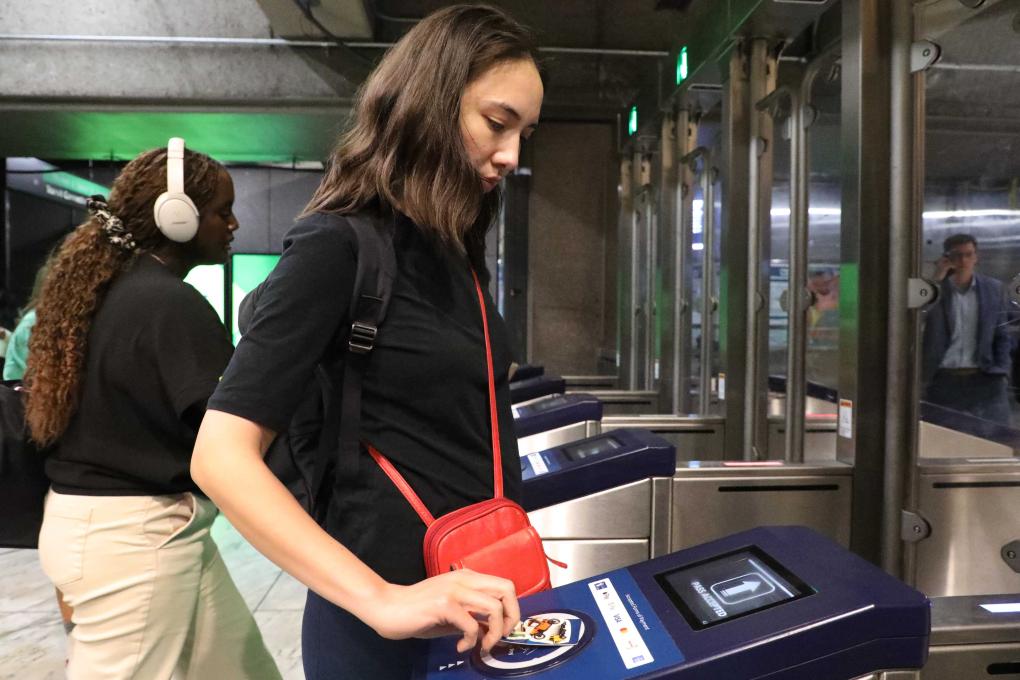
The new “chime” tones play when riders hold their fare media (Clipper card, contactless bank card, or mobile payments) on the reader for an additional second and are intended to inform blind and low-vision customers that the fare gate is open to pass through. An ascending chime plays on entering and a descending chime plays on exiting. The chime tone is also easier to distinguish from the beep sound the fare gates generate for errors, such as insufficient funds. This chime tone, BART says, does not play automatically every time someone taps their fare media as this would create “a cacophony in the station and make it difficult to know if a specific fare gate were open.”
BART’s old fare gates previously used beeps to indicate the fare gates were open because they were among the few sounds the dated technology could produce. BART’s new fare gates, which were installed at all stations in August 2025, can produce a wider range of tones.
Seizing this opportunity, BART staff developed the new chime tone and collected feedback from the BART Accessibility Task Force (BATF), BART Station Agents, and an online survey during a pilot period at three stations.
Ryan Greene-Roesel, BART Director of Customer Access and Accessibility, is a musician and developed the distinctive chime chords on her piano. BART’s sound engineers then input the chords into a digital program that let the team generate various iterations before the final iteration was selected.
“We hope customers and station staff enjoy the new tones as we continue to work hard to improve the BART experience for all of our riders,” Greene-Roesel said.
In related news, BART is inviting members of the blind or low-vision community to a sensory orientation event on March 25.
This free public event presents two unique opportunities to:
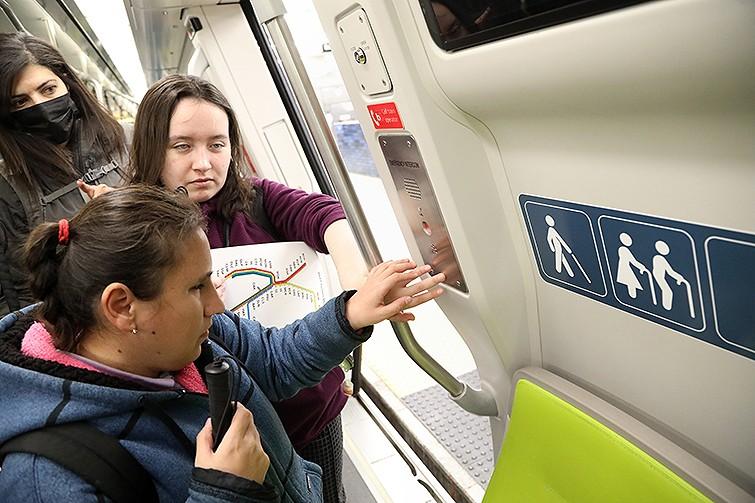
- “Leisurely explore an out-of-service ten-car train. BART staff will demonstrate features such as Braille car identification numbers, inter-car barriers, and the location of train intercoms aboard the Fleet of the Future train.
- “Practice getting to safety in the event of an accidental fall onto the track with a set-up mimicking the crawl space under the platform next to the trackway.”
Another focus of the event will be navigating the vending machines, fare gates, and platforms with plenty of staff on hand to answer questions and provide information. BART has an online accessibility guide that provides additional information.
Some service providers, like Lighthouse for the Blind and Clipper, will table at the event to provide more information and resources.
More information is available here.
Omaha Streetcar
Omaha Streetcar construction will close more downtown lanes this week as crews prepare for rail delivery, according to a KETV NewsWatch 7 report.
Beginning Monday, March 2, lane closures will start on Farnam between 10th and 13th Streets. 11th Street at Farnam will fully close, the City of Omaha says, for rail offloading and welding, according to the report.
“Completing this deep-utility work now is essential to maintaining the overall streetcar project schedule,” the City of Omaha said, acknowledging the challenges the closures cause.
Track construction in this area starts in April, according to the report.
A full timeline for streetcar construction is available here.
Further Reading:
MBTA
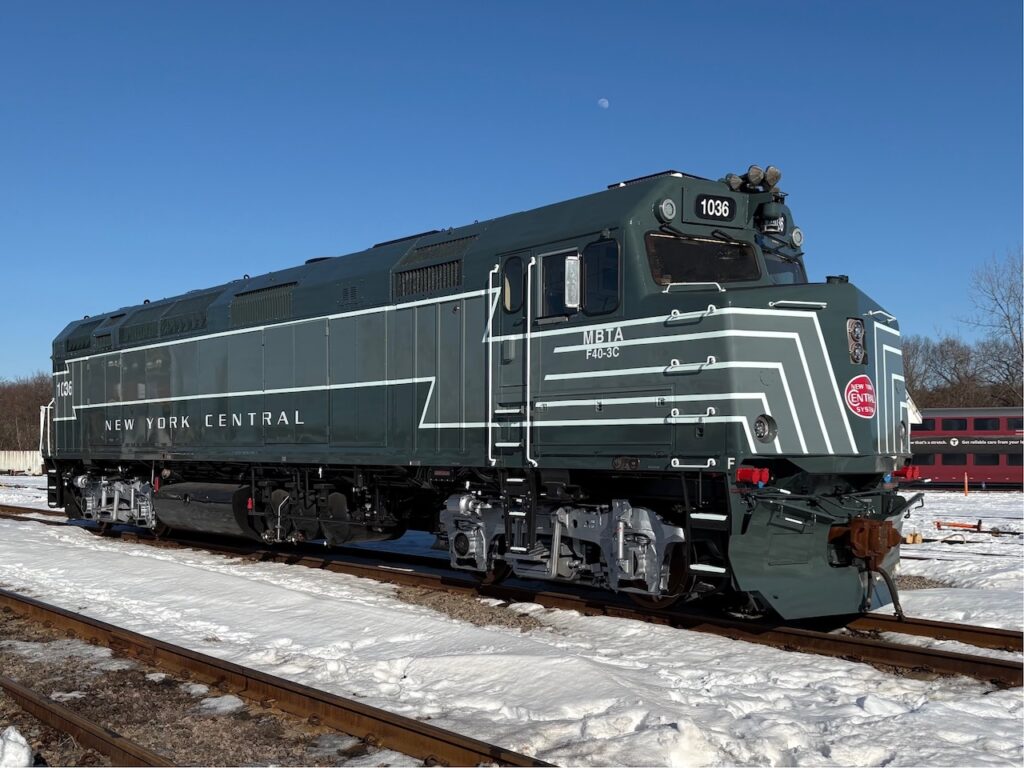
The MBTA recently debuted the third of its three heritage units —all F40s—that have been updated and repainted in legacy schemes.
The New York Central Railroad scheme is now in service, honoring the legacy railroads that shaped the MBTS’s current operations.
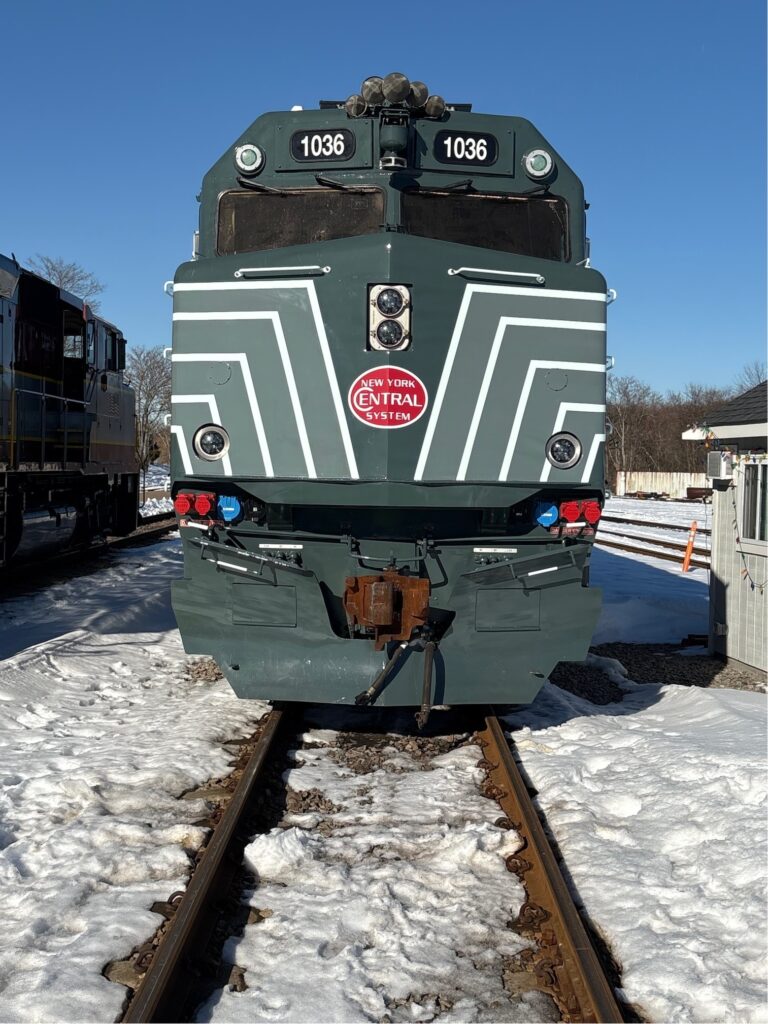
The New York Central Railroad unit joins the New Haven unit, which was debuted last month, and the Boston & Maine Railroad unit, which was introduced last September, representing the last of 37 MBTA locomotives that originally entered service between 1987 and 1991 and were recently overhauled and upgraded with remote monitoring and diagnostics, forward-facing and cab cameras, and modern brake and control systems, according to the agency.




