
BART
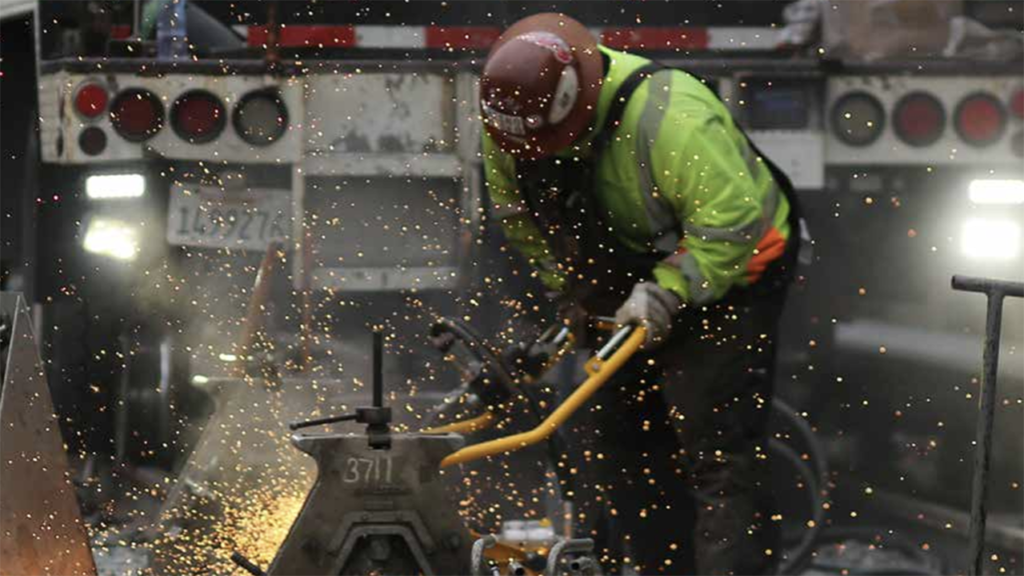
“The latest progress of the Measure RR rebuilding program is making a difference for riders by enhancing the reliability of the system and reducing service delays,” BART reported July 11 upon release of its Measure RR Annual Report published by the Bond Oversight Committee (see above). Among the report’s findings: “The number of trains delayed due to outdated rail fell by more than 400 instances thanks to work that in some cases replaced track that had been in place since the start of BART service in 1972.”
Measure RR is a $3.5 billion bond measure to replace BART’s aging infrastructure. It was approved in 2016 by voters in California’s Alameda, Contra Costa and San Francisco counties.
According to BART, the Bond Oversight Committee’s independent oversight of the Measure RR rebuilding program “emphasizes cost-effectiveness, quality and timeliness of work completion.” Bond Oversight Committee members review projects and data presented by BART staff in quarterly briefings. Committee members can request additional documents, information and presentations on an ad hoc basis. The Bond Oversight Committee consists of “volunteers who represent a diversity of expertise,” according to BART. The organizations represented on the committee include the Institute of Electrical and Electronic Engineers, American Institute of Certified Public Accountants, Association for Budgeting and Financial Management, Project Management Institute, and League of Women Voters of the Bay Area.
Through March 2024, $1.81 billion of Measure RR funds have been invested in rebuilding projects. BART said there are now 157 projects in planning, design, construction, or have been completed. A total of 61 projects are complete, including 13 that have been complete since the Bond Oversight Committee issued its last annual report in 2023.
Measure RR money spent, and work completed to this point, have exceeded initial expectations, according to BART, which noted that much of this progress for riders has been accomplished during weekend track shutdowns.
“Measure RR is a crucial part of our ongoing efforts to ensure BART is truly the safest way to get around the Bay,” BART General Manager Bob Powers said. “This Measure RR Annual Report highlights how the rebuilding program is boosting safety, making our core infrastructure more resilient, and improving our on-time performance for our riders.”
CTA
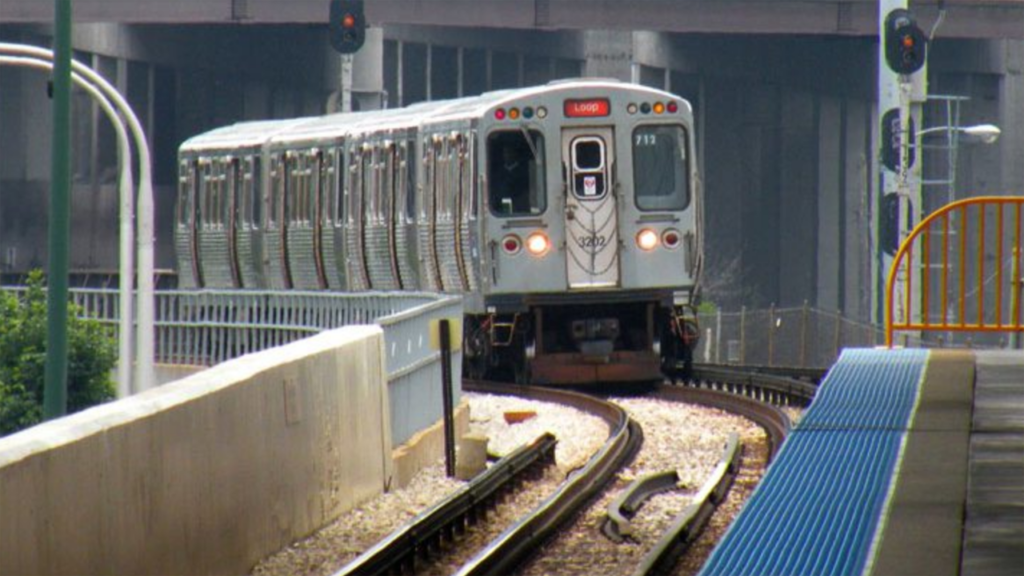
CTA on July 11 reported that because of “continued, aggressive recruiting, hiring, and training efforts,” it has added 8.5% more scheduled rail service in recent weeks for a total of 9% more scheduled service added since April 2024. This marks a milestone in what CTA said was President Dorval R. Carter, Jr.’s “commitment to deliver pre-pandemic levels of rail service by end of year.” Since early April, CTA has added 788 weekly rail trips when compared to the fall 2023 schedule.
“CTA is putting reliability at the forefront of what we are doing,” Carter said during the announcement. “We will not announce new rail service being added until we are confident in our ability to deliver those additional rail trips with consistency. As promised, thanks to our ongoing recruiting and training efforts, we are now at a point where we have been consistently filling more rail trips beyond those listed on our schedules, and we are now updating our rail timetables and Train Tracker data to reflect these improvements in service.”
The agency said it plans to train up to 200 new rail operators, which is double the number in 2023. So far this year, 79 employees have successfully completed rail operator training. The next training course commences July 15, at which time there will be more than 80 employees in training and are expected to begin qualifying for rail operator status over the next several months. CTA said its rail operator training courses allow for at least 20 participants per class, with up to three classes in training at a given time. Additional rail service improvements are planned as part of the upcoming fall schedule, which will be announced in the coming months, the transit agency noted.
According to CTA, the bus side has also made notable progress in its goal of delivering pre-pandemic levels of service by the end of the year. Through June, service levels have been improved on 48 bus routes throughout the service region, with all these routes having returned to near pre-pandemic scheduled service levels. An additional 28 bus routes are expected to receive improvements this fall and winter.
The bus routes that received additional service in the spring 2024 schedule were up 21% in June year-over-year for weekdays—far outpacing the other routes which grew by 11% year-over-year, CTA reported.
Denver RTD
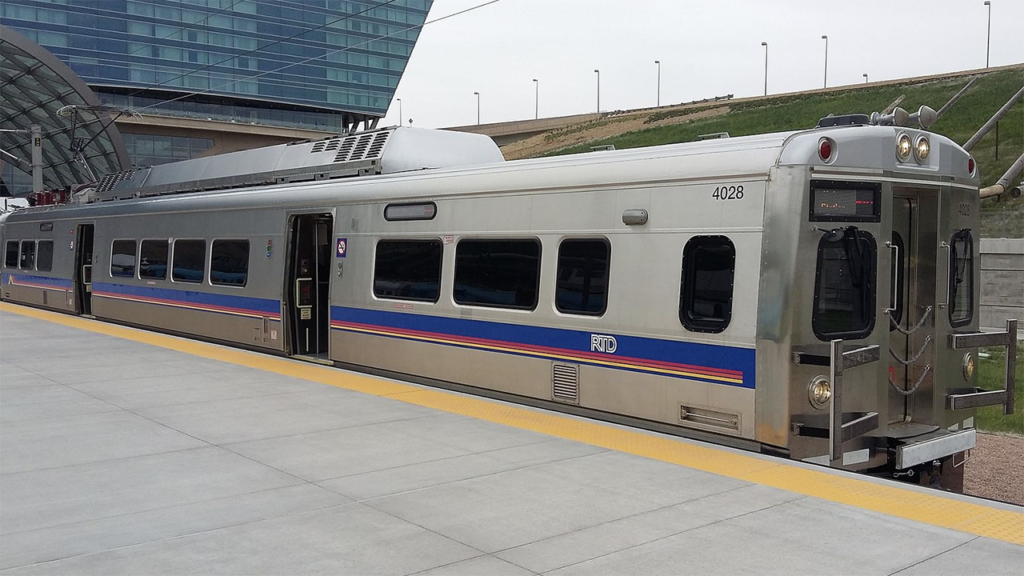
Denver RTD on July 11 reported that it will reach a milestone this month: serving its 50 millionth rider on the A Line (also known as the East Rail Line), its most popular commuter rail line. Linking downtown Denver and the Denver International Airport (DEN), this 23-mile, eight-station line launched in April 2016 in collaboration with Denver Transit Partners (DTP) and Denver Transit Operators (DTO).
Denver RTD, DTP and DTO are hosting a series of customer appreciation events to recognize and celebrate the A Line’s success. From July 15-18, events will take place at various stations along the A Line with coffee, snacks and commemorative giveaways available for riders.
Denver RTD in 2020 opened the first 13 miles of its newest commuter rail line, the N Line. Both the N and A lines are part of RTD’s 2004 voter-approved FasTracks plan to expand transit across the Denver metro region.
In other Denver RTD news, the transit agency in May launched a six-month pilot outreach program to assist customers on the system where and when they need it the most.
MBTA
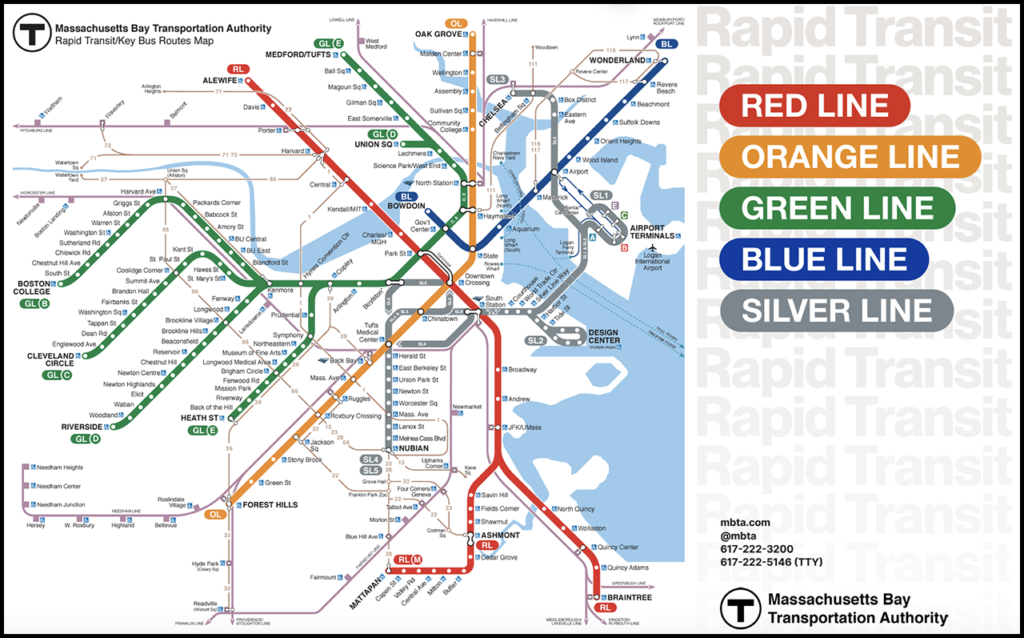
MBTA in the “coming weeks” will install Narcan access cabinets at five Red Line subway stations (Quincy Center, Ashmont, Andrew, South Station, and Harvard), the transit agency reported July 11.
The purpose of this pilot program “is to increase public access to lifesaving medication that can reverse an opioid overdose, taking advantage of the MBTA’s centrally located and well-trafficked transit stations along the Red Line,” the agency explained. Three freestanding and unalarmed cabinets containing two doses of Narcan will be available at each station along with signage in English, Spanish, and Chinese on how to recognize an opioid overdose, how to administer Narcan, and how to contact emergency assistance. The cabinets will be installed in the unpaid and paid lobby areas, as well as near or inside publicly accessible station restrooms.
MBTA said its staff will perform routine checks on the cabinets, record-keeping and maintenance of the cabinets as needed. As a public access pilot, MBTA staff will not receive specialized training or be expected to administer Narcan, the agency noted. However, local health organizations provide free Narcan administration training, and overdose education and training, it said; the commonwealth also provides information about how to access education and training, and how to access Narcan via its Harm Reduction Program Locator. Transit Police Officers also currently carry Narcan and are trained on how to use it.
MBTA said that it will share information about the program with community-based organizations within the Red Line service area, including local health organizations, “to increase awareness of the availability of Naloxone at Red Line stations and how the public can sign up for free Naloxone administration training.”
This program is supported by $95,000 in earmarked funds as part of the commonwealth’s FY24 budget connected to the Department of Public Health’s statewide strategy of promoting harm reduction efforts and community-based harm reduction services, according to MBTA. The remaining Red Line stations will be evaluated for installation at the end of the pilot phase.
“It’s clear that Narcan saves lives, and we are proud to lead the way as one of the six transit entities that have joined the White House’s ‘The Challenge to Save Lives from Overdose’ initiative,” MBTA General Manager and CEO Phillip Eng said. (Denver RTD, BART, New Jersey Transit Police Department, Southeastern Pennsylvania Transportation Authority, and Washington Metropolitan Area Transit Authority are the other five.) “Given the role our stations play in the communities with the thousands that traverse them, it makes them ideal pilot locations to include as part of this project. Narcan is proven to save lives, and while our Transit Police officers carry Narcan, this pilot will soon make it more readily available at five Red Line stations for any members of the public who understand how to administer it as well. Information regarding Narcan and its use will be prominently displayed alongside the Narcan locations. We thank our state partners for funding this pilot, the Harvard College Overdose Prevention and Education Students for their ideas, [Massachusetts State] Sen. [John] Keenan for his support, and the MBTA Policy, Stations, and Red Line Operations teams for their diligent work on deploying these cabinets.”




