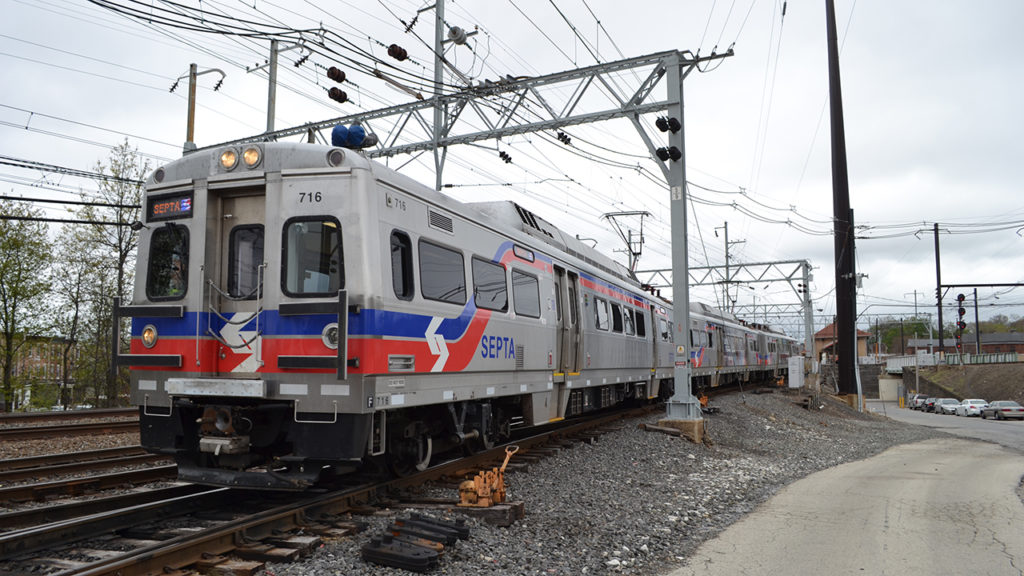
Philadelphians and visitors to the city who ride the transit operated by the Southeastern Pennsylvania Transit Authority (SEPTA) have had a wild ride lately, especially when it comes to the fares they will be paying next year, and with respect to the amount of service they will have.
These developments do not come as surprises, given the fiscal cliff that threatens transit around the nation. Some states and other political entities, including New York with its Metropolitan Transportation Authority and New Jersey with New Jersey Transit, have established funding sources that will keep current service levels going for the next few years. Pennsylvanians, including Philadelphians, have not been so lucky. They have a reprieve for now, but signs point to its duration being measured in months, rather than years.
As I reported in a 12-part series last summer, transit in the United States is coming perilously to a fiscal cliff that could seriously curtail mobility for millions non-motorists and seriously curtail it for others, and for some motorists, too. It originated with the COVID-19 virus, which devastated transit ridership for several years after the virus first struck in March 2020 Congress authorized funding that could be used for transit operations, which kept the industry alive at the time. Now that money is running out, and ridership has not recovered to pre-COVID levels for many transit agencies, and neither has revenue. The cost of operating transit has risen recently, too, part of general inflation.
SEPTA and its riders came close to falling off the fiscal cliff, as we have been reporting. As Part 5 of the summer series, in an article headlined SEPTA Hopes for Good News posted on July 24, I described the recent history of SEPTA’s financial woes and the current political situation in the Keystone State.
SEPTA might have hoped for good news from Harrisburg, but did not get it. The agency anticipated a deficit of $240 million, and the Commonwealth only came up with $46 million to support. That, with a 7% local match, got SEPTA through the fall, but that was only a short-term reprieve.
Rapidly Developing Story
So, at the very least, a fare increase became necessary, with the possibility of severe service cuts, too. Railway Age Executive Editor Marybeth Luczak reported the story as it unfolded through the fall. On Sept. 6, she reported that the agency was considering a fare increase. It would be a relatively mild one, with the base fare staying at $2.50, the cash price at the time, but eliminating discounts for using a stored-value card and other changes. It was slated to take effect on December 1 and raise $14.4 million in annual revenue. Before that increase could be approved by the SEPTA Board and before hearings were held (they were scheduled for December 13), Luczak reported 30 days earlier, on Nov. 13, that SEPTA had a bigger shock in mind for its riders. Fares would rise by 21.5% on top of the previously proposed 7.5%, and service cuts of 20% across all modes (including regional rail and streetcars both in the city and interurban-style lines in nearby suburbs) that would take effect early in 2025, after the required hearings had been held.
Then two events happened during the week before Thanksgiving. On Thursday, Nov. 21, the Board approved the 7.5% fare hike. At that time, the second proposed fare hike and service cuts were still on the table. We reported the next day: “SEPTA said that together, the two fare proposals would generate nearly $50 million in new revenue annually, but ‘ridership losses likely due to the combined effect of higher fares and declining service levels’ could lower that number.”
On Nov. 25 came another report: a story headlined SEPTA Postpones Second of Two Fare Increases. That move occurred on Friday, Nov. 22. That was also the day we reported the approval of the first fare increase, which had occurred one day earlier. As we reported, Gov. Josh Shapiro stepped in with some money earlier on Friday: “Gov. Shapiro on Nov. 22 directed PennDOT Secretary Mike Carroll to begin the process of transferring $153 million in federal highway capital funds to SEPTA to prevent the planned 21.5% fare increase, as well as immediate service cuts. This action temporarily reallocates funds from projects not yet under way, according to the Governor’s Office, which noted that it is ‘a standard practice in Pennsylvania and across the nation,’ and will allow SEPTA to ‘maintain critical operations’ through at least July 2025.”
Seven-Month Reprieve?
Luczak’s report continued: “‘The $153 million being ‘flexed’ to SEPTA covers the agency’s projected operating budget gap through the current fiscal year,’ SEPTA reported. However, it said, ‘SEPTA still faces an annual, structural budget deficit of at least $240 million without a permanent solution to Pennsylvania’s public transportation funding crisis.’”
So, what happens when the fiscal year ends and July rolls around? Likely, the proposal to raise fares by 21.5% or more, along with deep service cuts, will be back on the table. Harrisburg did not come through for SEPTA and other transit providers in the state (Port Authority Transit in Pittsburgh is the only other agency that operates any rail transit, with two streetcar lines, as well as the historic Duquesne and Monongahela Inclines, funicular railroads that began service in the 1870s).
SEPTA is the only major provider in the state that offers a variety of transit modes and, as we reported in the summer series on the fiscal cliff, the legislature was not sympathetic to funding transit, coming up with far less money than Shapiro had requested, and also far less than SEPTA needed to maintain current levels of service.
Democrats controlled the General Assembly by a margin of 102 to 100 in the 2023-24 session, but Republicans led the Senate by 28 to 22. Political details aside, the Senate was not interested in funding transit enough to eliminate SEPTA’s $240 million deficit at the time. The 28-22 Republican control continues in newly elected Senate, while the Democrats held onto their lead in the Assembly: 102-101. So not much has changed on the state-level scene in Pennsylvania, even though Republicans scored gains at the Congressional level. Sen. Bob Casey, a Democrat, was voted out and will be replaced by David McCormick. Democrats had led the previous House delegation by 9-8. but Republicans will lead the Pennsylvania delegation in the new Congress 10-7. So, for the next two year, at least at the state level, not much will change in Pennsylvania. That does not seem to bring much comfort for SEPTA, other transit providers in the state, or their riders.
Luczak reported on Nov. 21 that SEPTA had reached an agreement with Local Transportation Workers’ Union (TWU) Local 234, which represents about 5300 bus, trolley, and subway workers. A threatened strike was averted, but the new agreement runs for only one year, so there will be more negotiations next fall, probably when the agency will face more severe financial conditions than it does now. By the time those negotiations take place, SEPTA is likely to be back in the position it occupied briefly on November 21 and 22, when a drastic fare increase, and service cuts were on the table and Harrisburg had not yet announced the current short-term fix.
The fiscal cliff will affect essentially every transit provider in the country, but SEPTA appears to be the proverbial canary in the proverbial mine shaft. Other providers are doing somewhat better than SEPTA at the present time, but their futures all depend on the volatility and uncertainty of state and local politics. We expect that there will be more stories like this one, and we will report them as they happen.