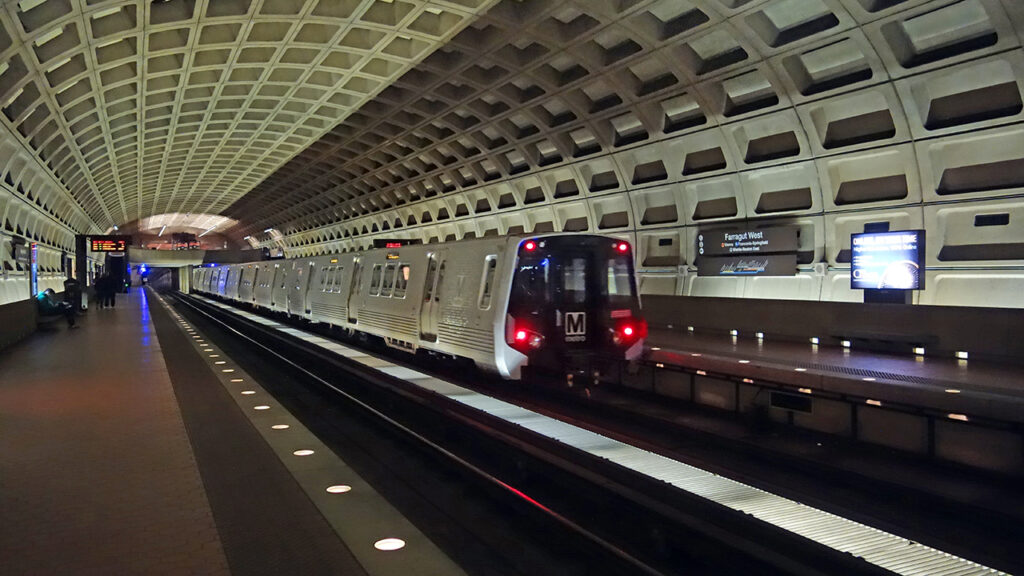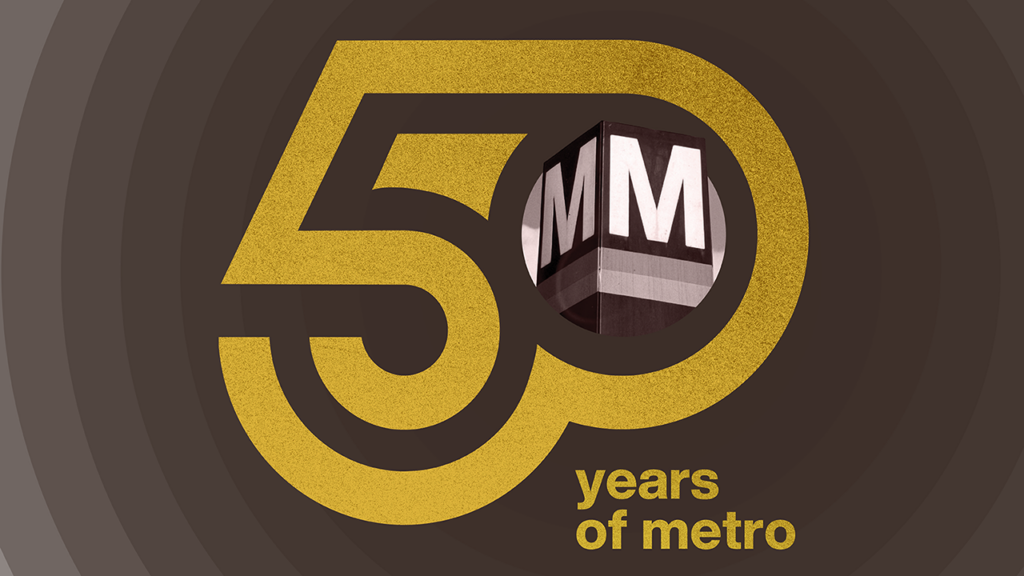
March 27, 2026 marks 50 years since WMATA (Washington Metropolitan Area Transit Authority) inaugurated the Washington Metro (Metro Rail) rapid transit system in the National Capital Region. The first passenger-carrying Metro Rail trips occurred On March 27, 1976, on the 4.6 miles of Red Line connecting Rhode Island Avenue and Farragut North. We at Simmons-Boardman Publishing Corp. and Railway Age are proud to say that this publication played an important role in its development.
In the late 1960s, then Railway Age Editor-in-Chief the late Luther S. Miller—my predecessor—and then Publisher the late Robert G. Lewis led tours of other rapid transit systems around the world—Paris and Stockholm, for example—for Metro Rail planners, engineers and architects to gather ideas. Interestingly, the Washington Post criticized these transit system tours as “junkets” and “boondoggles.”
The Washington Post had it all wrong. Among the people participating in our tours was Stanley Nance Allen (1921-2015), longtime Fellow of the American Institute of Architects (FAIA) and past president of architectural firm Harry Weese and Associates, from which he retired in 1995. Allen’s most significant impact as an architect—indeed, his most important career achievement—was development and construction of Metro Rail, for which he was project manager from 1964 through 1977 at Harry Weese and Associates. Weese designed Metro Rail’s modern, spacious, cavernous open-concept subway stations, which at the time were a far cry from the “hole in the ground” stations typical of legacy U.S. subway systems like New York City Transit. The RATP (Paris Metro) stations inspired him. (NYCT’s newest lines, like the Second Avenue Subway and Seventh Avenue Subway West Side Extension, are designed similar to Metro Rail’s.)
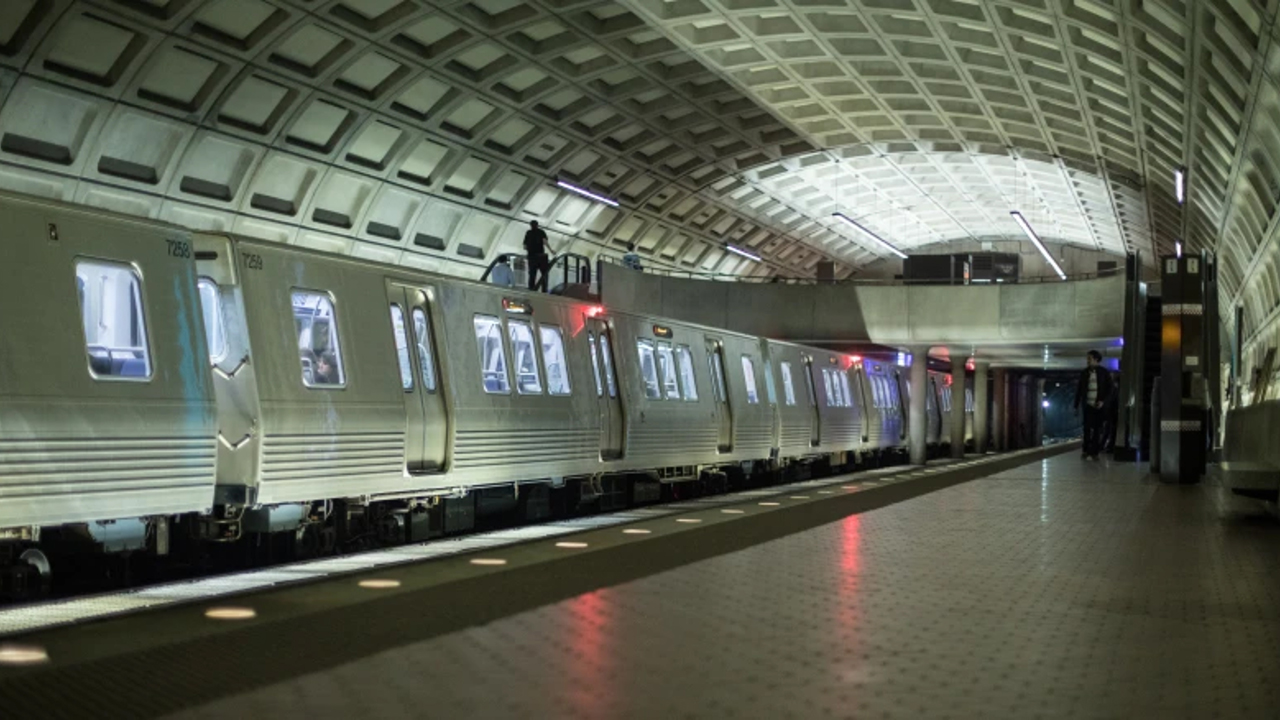
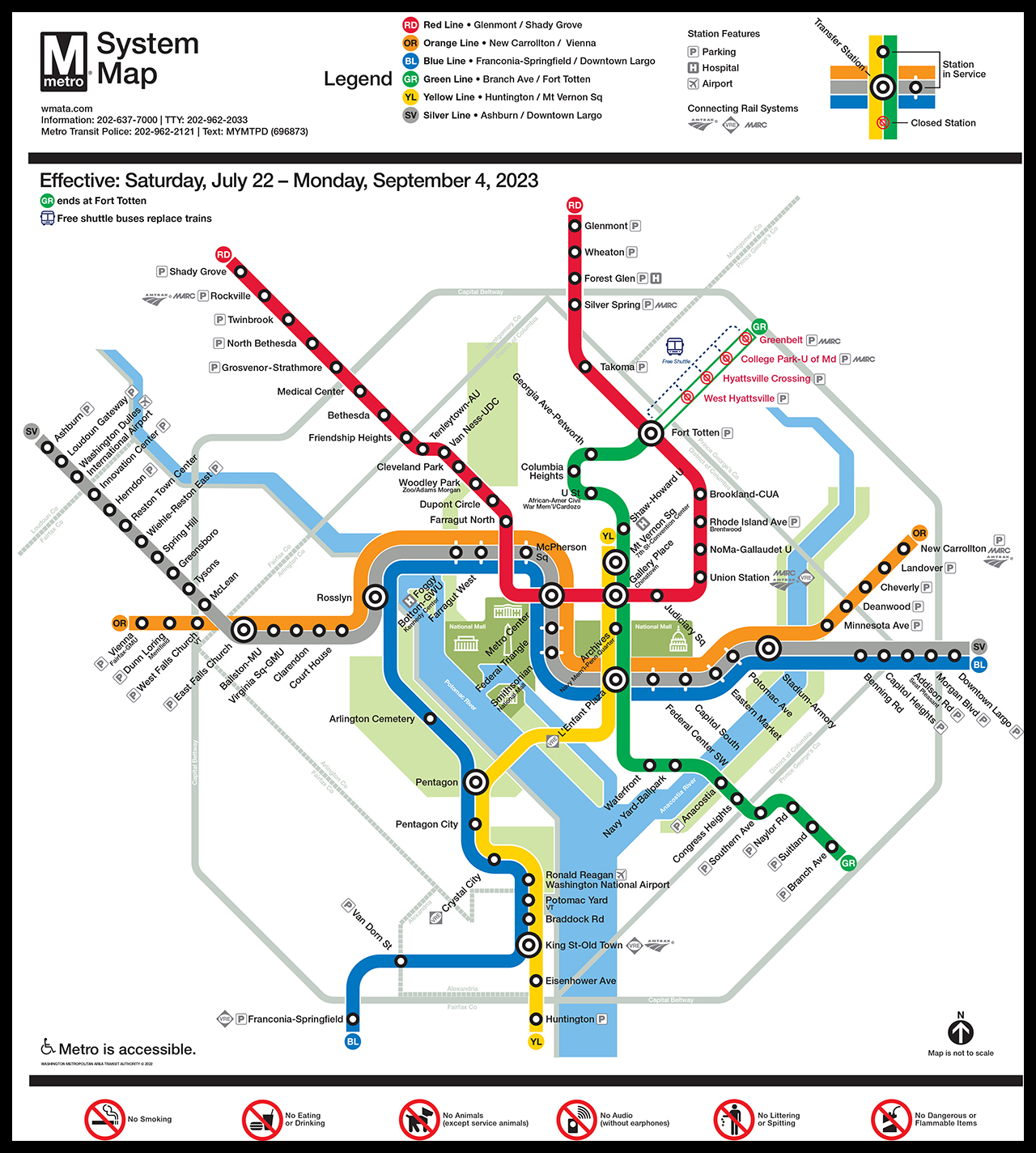
Today, Metro Rail is a six-line, 130-mile network with 98 stations. In 2025, the system delivered 147 million trips. Since 1976, Metro Rail customers have taken more than 7 billion trips.
“Metro was a bold vision and investment in the region by previous generations,” said Metro General Manager Randy Clarke. “Fifty years later, it remains essential to how people connect to jobs, school, and opportunity. Today, we honor the organizers, the decision makers, the builders, the employees, and the customers who have made America’s Metro System an integral part of the region over the past half-century. Team Metro is committed to stewardship of this great system and continuing to provide safe, frequent, and reliable service for the next 50 years.”
“Throughout the coming months, Metro will celebrate its Golden Anniversary with special 50th anniversary Smart Trip cards, vehicle wraps, pennants, trading cards, and merchandise,” the agency said. ”Customers can walk down memory lane at Metro50th.com, a dedicated website where they can see a timeline of our history and browse pennants and photos from years past. Later this year, a commemorative 50th anniversary coffee table book will be released.”
Revised Budget Proposed
Coinciding with Metro Rail’s 50th, Randy Clarke proposed revisions to the FY2027 Budget originally presented during the WMATA Board of Directors meeting in December 2025. “The revised budget proposal reflects Metro’s continued commitment to financial management and efficiency by managing jurisdictional subsidy growth at 1.8%, which is below the cost of inflation and the 3% regional target,” Clarke said. “Metro is leading the nation in ridership growth and is focused on efforts to bolster fare collection by expanding programs like Tap. Ride. Go., which is available on Metro Rail and Metro Bus, and is currently being implemented at more than 40 Metro parking facilities throughout the system. Tap. Ride. Go. along with other fare product offerings support continuous improvement efforts to remove friction for customers and promote transit accessibility for the region.
“The proposed revisions reflect the momentum Metro has seen over the past few years, allowing Metro to tightly manage budgets and cost efficiency efforts that allow continued service improvements where revenue, ridership, and impact needs are reflected most throughout the region. The revised proposal (download below) asks for the Board’s consideration of … adjusted service improvements and fees.”
For a comprehensive Metro Rail history, see the Wikipedia entry.