
Ahead of Major Repair Projects, PATH Reimagines Customer Communications

Director of Passenger Services and Customer Experience at PATH, Riehl has kept customers at the core of PATH’s evolution, work that she describes as “all encompassing.”
While not every day is always smooth for the fifth busiest rapid transit system in the U.S., Riehl and her team pride themselves on keeping their “eyes on the field,” always seeking the customer perspective. This includes deploying passenger information agents to consult with riders, along with playing an active role in the community, participating in bike rides and performances.
“I’m a people person,” she said. “I am always excited to go out to communities, engage with customers, and make sure they’re feeling confident in their travel plans and have all the latest information about PATH.”
Riehl’s role is especially crucial as PATH Forward, a two-year $430 million program to replace critical infrastructure within the PATH system, kicks off. The program includes track repair and replacement, bridge, and electrical work, as well as renovations of the Hoboken, Newport, Exchange Place, and Grove Street stations. PATH Forward comes at a pivotal moment for PATH, as ridership continues to steadily grow. During May, PATH served over 5 million riders for the first time since the onset of the COVID-19 pandemic.
“We’ve never done this magnitude of work before,” Riehl said. “PATH is 116 years old, and our ridership is rapidly coming back post-COVID.”
PATH Forward aims to improve customer experience in the long term, but the construction process could be challenging for riders. As the work, and disruption, gets underway, Riehl said she tries to put herself in the customer’s shoes, understanding their experience and constantly monitoring their feedback.
“What’s really exciting about the PATH Forward program is the commitment that PATH made to truly embrace our customers,” she said. “We have committed to having much more proactive communications with them, engaging with them through public information sessions, and telling them what kind of service changes they will encounter far earlier than we ever have before.”
One big test is already out of the way for Riehl and her team: the five-month rehabilitation of the Grove Street station had required trains to bypass the station on weekends, in the westbound direction for the first half of the project, then in the eastbound direction for the second half. The bypasses ended ahead of schedule.
“Whenever we do a new service model, there’s a learning curve, for customers and for us,” she said.
Grove Street was an opportunity for her team to try two new services: on-call shuttle buses between Grove Street and other PATH stations, and additional train service between Exchange Place and World Trade Center to relieve crowding.
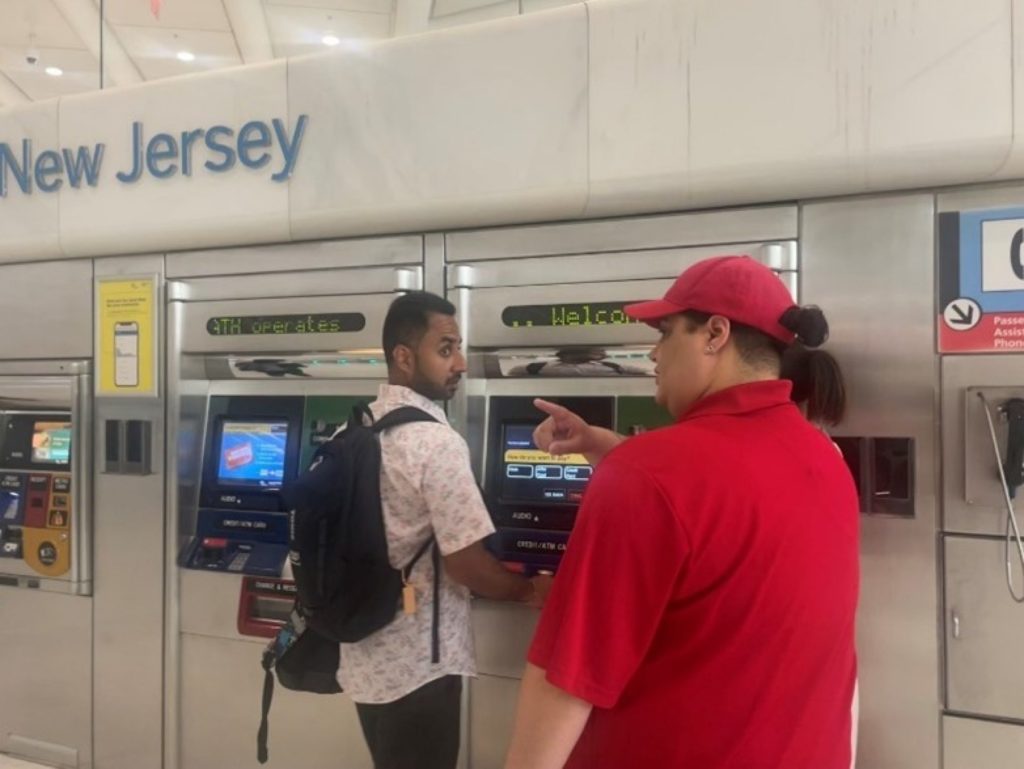
Riehl placed extra customer service agents at the station to proactively inform customers about the changes, she said. Her team also aimed to have signage that “appealed to all different types of learners,” with some signs focused on graphics and others that were more text-heavy.
The customer experience team relied on a strategy they referred to as “hum and then shout.”
“If we put something out too early then people might read it once, but it becomes noise to them, they don’t pay attention when the date comes,” she said. This is where the “shout” comes in: Riehl and her team double down on new signage right before service changes begin.
While the Grove Street station rehab work was only the first step in a long series of improvements, Riehl encouraged riders to focus on the very visible improvements PATH Forward will offer them, including brighter stations and more modern amenities.
Even for the “least sexy work,” like track maintenance, Riehl said that the light at the end of the tunnel will be faster trains and more reliable service.
Riehl sees customer communications as a foundational component of PATH Forward, alongside the many station and track projects. Plans are designed with riders in mind, she said, which includes an expectation that those plans could change based on customer feedback.
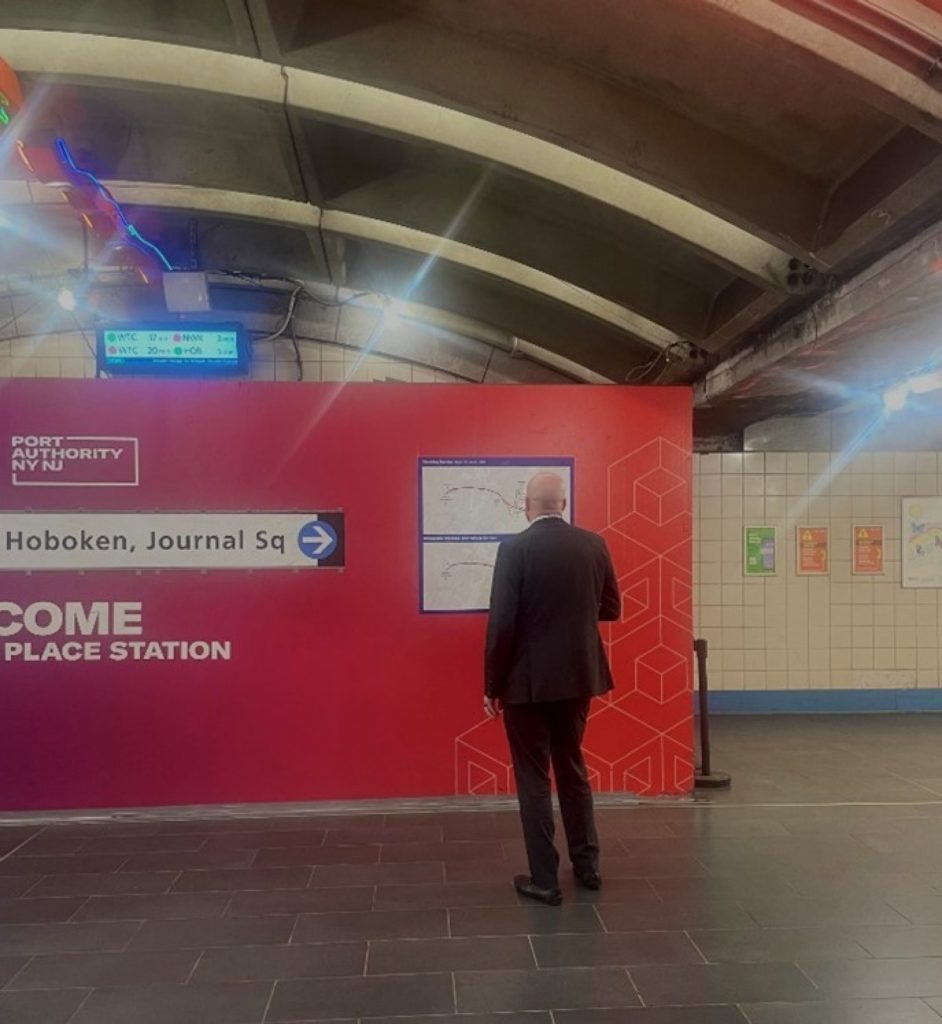
“Revaluating for the customer benefit is something that PATH has really taken to heart,” Riehl said. “We take customer feedback very seriously. It’s talked about at the highest levels of this entire agency.”
While customers adapt to the changes ahead, Riehl said PATH will be learning alongside them, always looking to improve rider resources.
“PATH truly is committed to constantly looking at ways to try to make improvements as the work progresses,” she said. “We know the work is going to be painful. That’s why we’re giving advance notice, and as we’re able to make improvements, some of our plans might change.”
Find updates on on PATH service and train schedules here or on the PATH mobile app, RidePath.




