
ASLRRA PERSPECTIVE, RAILWAY AGE AUGUST 2024 ISSUE: The Surface Transportation Board (STB) will hold a public hearing in September to gather information about recent trends and strategies for growth in the freight rail industry. The STB has specifically requested the attendance of Class I railroad executives, but is also seeking the views of a broad cross section of industry representatives, including the perspective of short line railroads on their own growth strategies. We are pleased to participate.
Growing business where little existed before is at the heart of the short line story. Since the Staggers Act jump-started the modern short line industry, short lines have turned the most neglected rail lines in America into a thriving collection of small businesses where carload growth has been the lifeblood of success. As a panel of short line executives will describe at the hearing, we believe the way short lines do business is the reason short lines grow business so successfully. That way of doing business has a number of defining characteristics, each of which I highlight here with one example. Countless versions of these examples are found on every short line across the country.
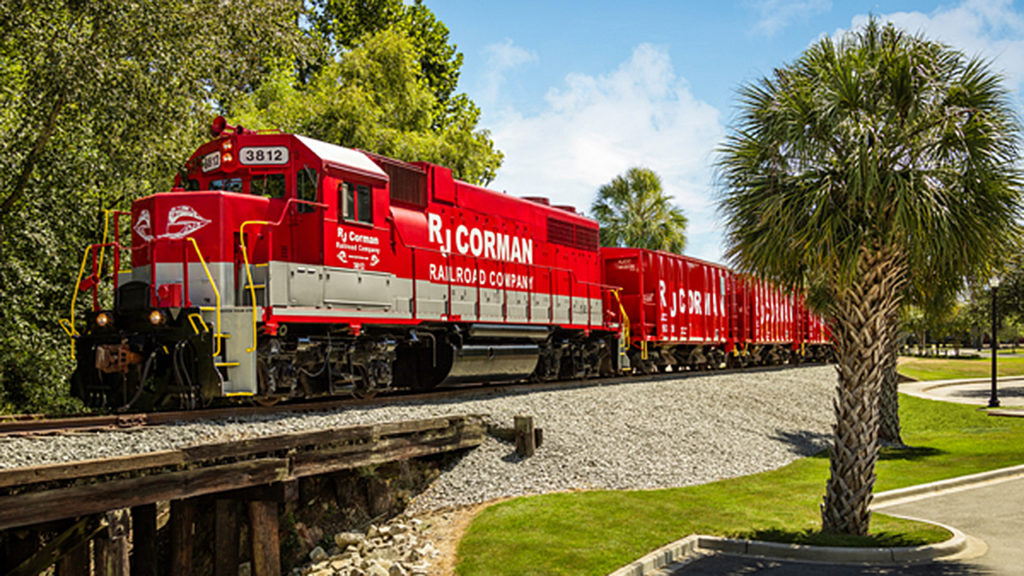
Configuring service to meet customer needs: Kentucky is home to Novelis, one of the world’s largest aluminum can recycling plants, and Logan Aluminum, the largest single-can sheet facility in North America. Approximately 180 miles apart, shipments between these two facilities were historically handled by truck. Working closely with the two plants and CSX, R.J. Corman Railroad crafted a custom unit-train service offering that captured that truck traffic. The newly configured service included a trackage rights agreement with CSX allowing for direct short line service to Novelis that reduced transit time and created a competitive solution, building a fleet of specialty railcars that allowed for ease of loading ingots, and building a 200,000-plus-square-foot storage and warehousing facility. Together, it was an innovative and comprehensive approach to moving traffic from truck to rail and has added more than 11,000 carloads annually.
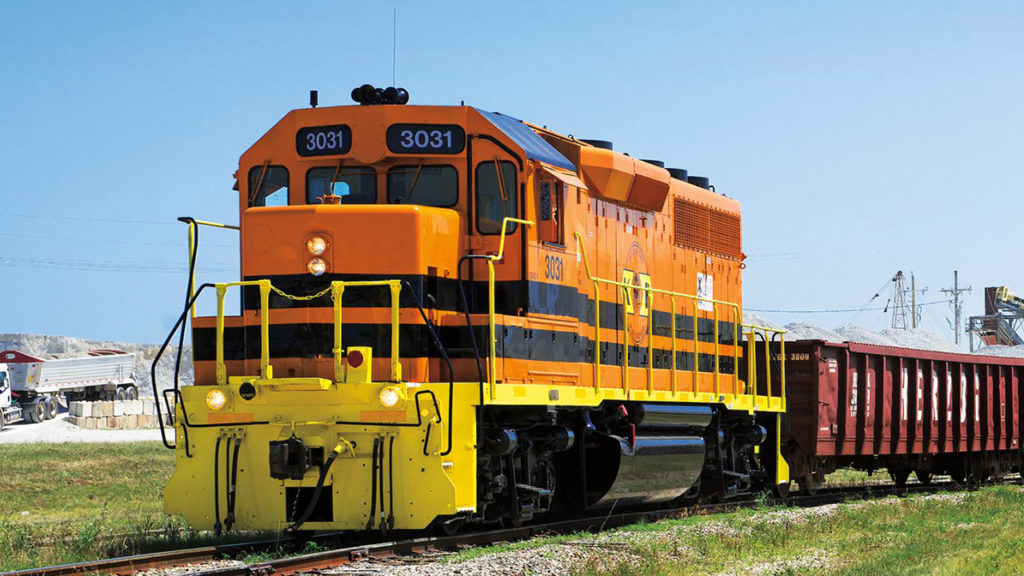
Investing in improved service: Tyson Foods needed a new feed mill to replace an older facility that could receive inbound corn and soybean meal cars. Kiamichi Railroad (KRR, a Genesee & Wyoming railroad) offered a 145-acre site in McNab, Ark., with space for more development and access to three Class I’s and Highway 195. While Tyson constructed the mill, KRR invested $9 million in two main line switches and a siding at the site and upgrading the entire 180-mile Tyson route, including 80 bridges, to 286K capacity. From the arrival of the first train in May 2022, the project has generated more than 11,000 new carloads for KRR. To maintain the new business, KRR has hired new employees, while the mill itself supports 50 local jobs.
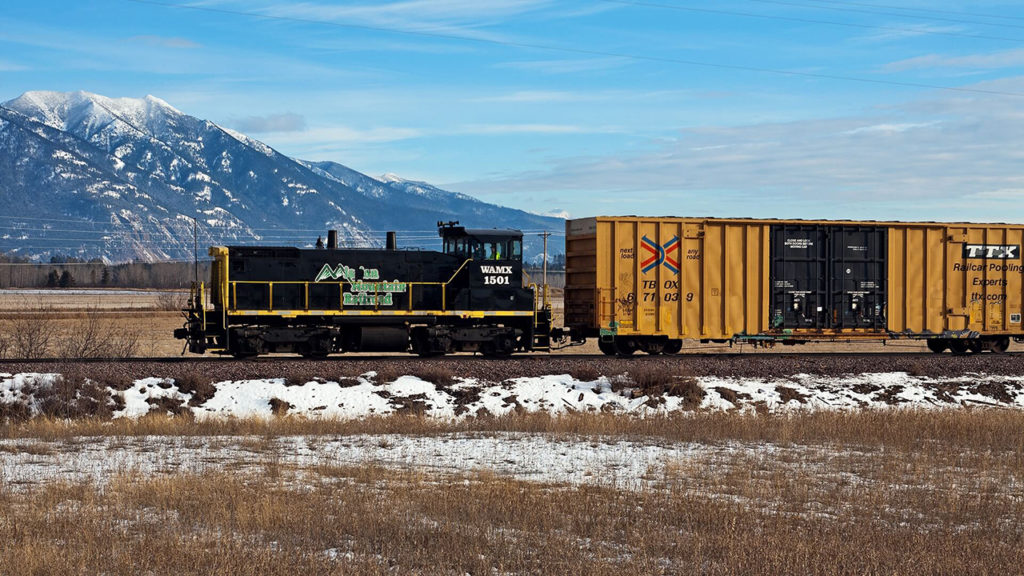
Fighting for every carload: The Mission Mountain Railroad (MMT, a Watco subsidiary) operated 40 miles of track in northern Montana until 2020 when the 14-mile southern branch was returned to BNSF at the end of a lease. The MMT customer base was lost, and its employees were reduced from 13 to three who worked as-needed for the sole remaining customer on the company-owned 26-mile section, a lumber transloading yard. Soon, MMT traffic fell to 12 cars or fewer a week and in 2023 the transload owner wanted to leave the business. Instead of closing down, which seemed like the obvious outcome, MMT purchased the transloading facility and took aim at the Canada to U.S. lumber market that was shipping by truck across a nearby border point. With the help of BNSF, MMT established a relationship with a Canadian lumber shipper that wanted a local sales presence in Montana and was looking to open rail lanes to the southwestern U.S. MMT carloads are now 18-plus per week and direct local lumber sales through the transload are providing additional revenue. Other local businesses have taken note of this success, and MMT is in the final stages of attracting two additional shippers.
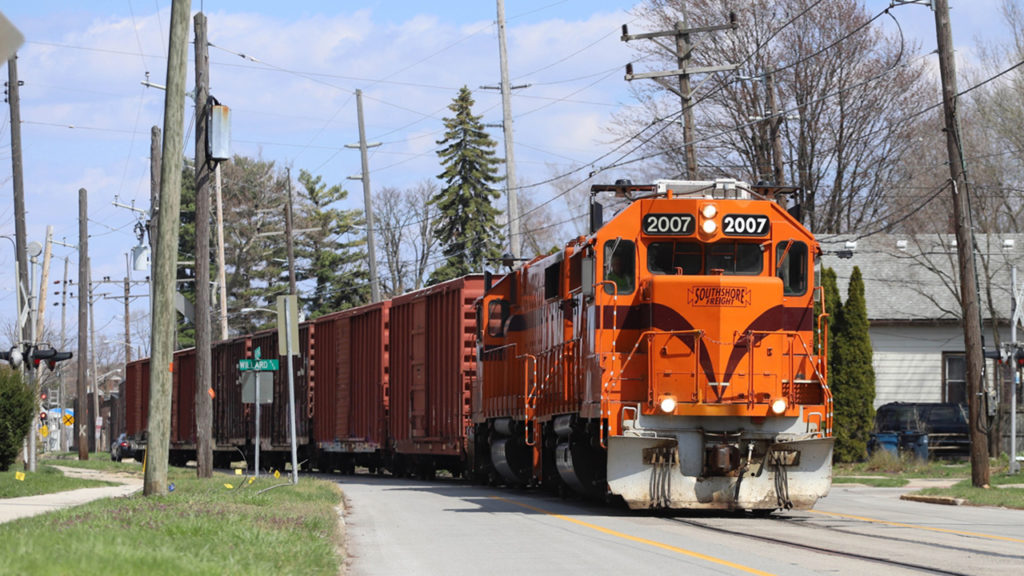
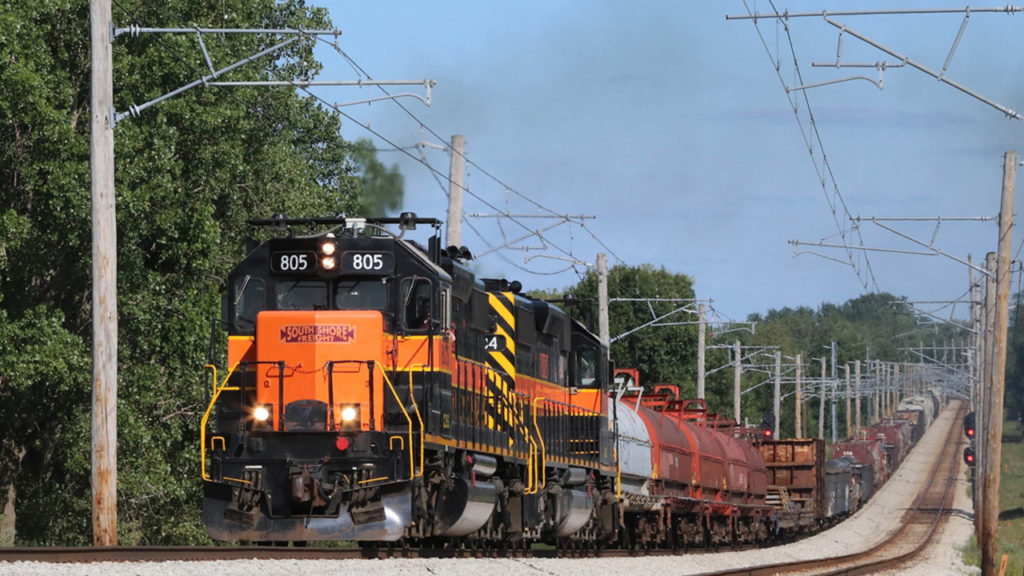
Working with Class I partners: United States Steel (USS) loads some 20 railcars daily at its facility in Portage, Ind., but the ten-mile initial haul to CN’s Kirk Yard was subject to delay due to heavy freight and passenger train traffic on Norfolk Southern. The USS supply chain required more predictable logistics to meet customer inventory requirements. NS and CN worked with Chicago South Shore & South Bend (CSS) to develop an alternative routing for these high-value shipments over its parallel track on behalf of NS. This creative solution by USS and the three railroads provided reliable movement of steel and faster equipment turns. Prior to CSS, loaded cars took five to seven days to move one way from the Gary Mill to Portage. Now CSS provides a round trip of 3.5 days or fewer. NS has a more satisfied customer, and the short line has a major piece of new business.
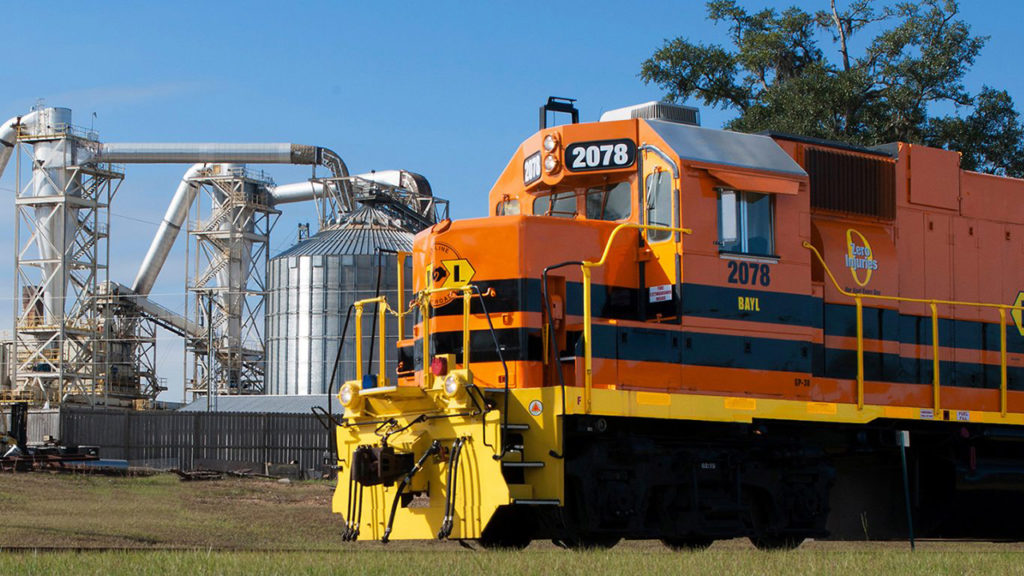
Strong partnerships with local Economic Development Agencies: Finding suitable sites for a new rail-served facility is not as easy as giving the railroad a call. The shipper must find an available location, find a railroad willing to meet its operating needs, and understand the intricacies of joint line service if more than one railroad is involved. Genesee & Wyoming (G&W) understands that a shipper’s first call may be to the local Economic Development Agency (EDA) for help, and they have made developing relationships with those agencies a top priority. By continually communicating with and educating these agencies on the benefits of potential sites and the existing short line service, G&W helps to ensure that the EDA steers the shipper in its direction. That was the case for Peak Renewables (PR), which produces biomass wood pellets used in generating electrical power. Exploring areas in Alabama, PR contacted the Dothan Area Chamber of Commerce, which recommended a site adjacent to G&W’s Bay Line Railroad (BAYL) because it was already well-prepared by G&W to promote the site and the benefits of working with the short line. One benefit included G&W’s full-time rail designer, who helped with the location and the layout of the rail spur connecting the facility to the BAYL. PR started production in February 2024, has shipped 329 cars to date and expects to reach 1,500 carloads annually when fully up and running. G&W’s commitment to developing strong relationships with EDAs is a significant force multiplier for its marketing efforts quickly focusing the potential shipper’s attention on the benefits of the short line solution.
The short line rail industry is nimble, necessary, and noted for its attentive and customized service. Shippers rely on local rail service, often a short line, for access to markets regionally and nationwide. By working with local partners, Class I’s, other short lines, or EDAs, short lines drive growth for the local communities and for the freight rail system, one creative solution at a time




