The new Administration has apparently reversed course on its predecessor’s energy policies, dismissing and de-funding sustainable methods of electricity generation such as wind and solar, instead favoring domestically sourced coal and crude oil. What could this mean for the freight railroad industry—railroads, shippers, carbuilders, component suppliers? For example, the wind sector has generated some special moves for large assemblies related to wind turbines. A fadeout of these movements would not represent a significant loss in traffic and revenue. But what about coal—overall, a declining source of traffic and revenue—and crude oil, which settled down to more realistic levels after the spike created several years ago by Bakken crude and fracking?
Coal
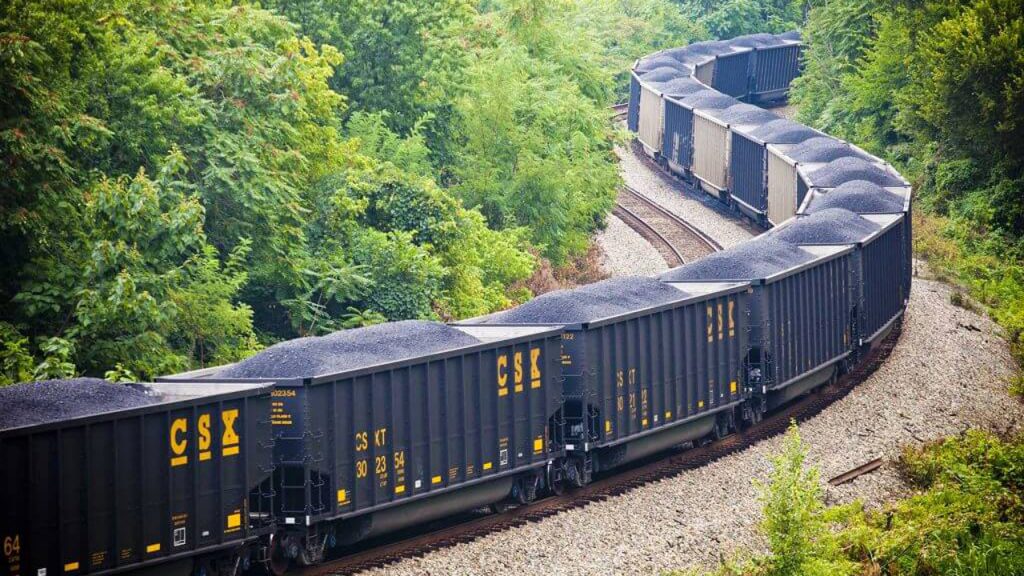
While some may wonder if the new Administration’s policies would lead to a coal revival, this would be unlikely without significant government subsidies. For decades, new fossil fuel power generation has employed natural gas first, then oil. Having worked on the development of privately funded gas-fired generating stations, I know that the outlay in terms of capital and land is significantly lower for gas and oil compared to coal. A gas-fired plant has about one-half to one-third the footprint of a coal plant. Short of the heavy hand of government intervention, the private sector is all about gas-fired generation, when considering fossil fuels. On the other hand, the new Administration’s policies may allow existing coal plants to linger longer (supporting continued coal shipments), but in time their ancient equipment will simply age out of economic competitiveness.
Crude Oil
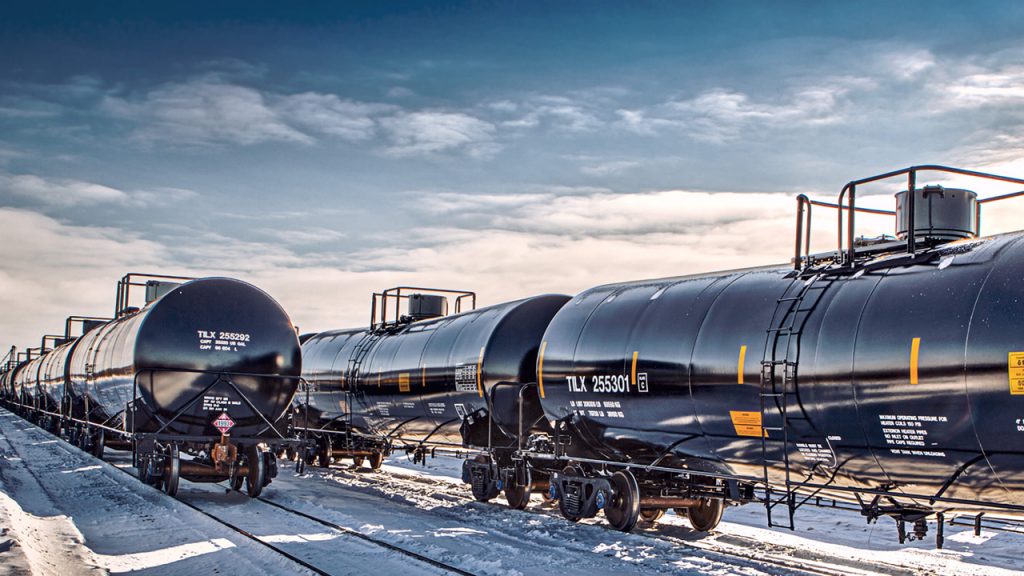
The new Administration is speaking of a shift to more drilling in the U.S. But just because the Administration says it, is there enough economic incentive for private-sector drillers to increase exploration and extraction? That doesn’t happen overnight, and requires assets (drilling equipment, pipelines, transfer stations) and personnel. Given the timeline for pipelines—even with an Administration willing to streamline environmental permitting—rail offers the flexibility of more quickly responding to increased demand for crude oil transportation. But are there enough DOT 117J and 117R tank railcars in storage or scheduled for delivery to meet an as-of-yet-undetermined demand level? In particular, where does the industry stand DOT-111 phaseout?