
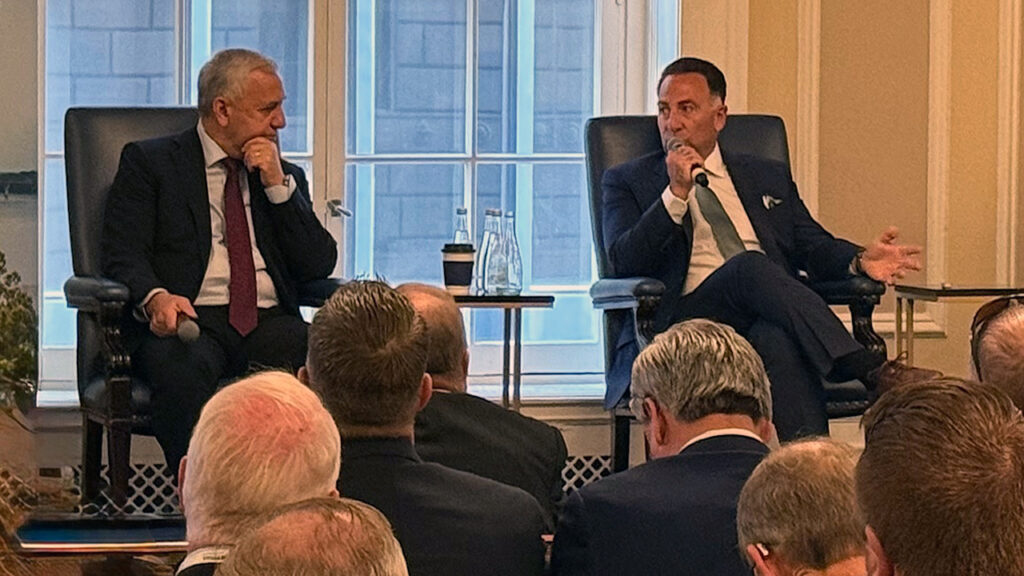
RAILWAY AGE NEXT-GEN FREIGHT RAIL CONFERENCE, MARCH 10, 2026: Union Pacific sees end-to-end scale and past merger lessons supporting its consolidation case with Norfolk Southern, but peers flag competition loss and gateway risk. Union Pacific noted that it is talking to several Class I carriers behind the scenes, potentially paving the way for some concessions. The Surface Transportation Board is streamlining environmental permitting and is committed to overhauling switching rules.
In a discussion with Railway Age Editor-in-Chief William C. Vantuono (who joined via video conference link), the CEOs from Union Pacific and Norfolk Southern, Jim Vena and Mark George, expressed confidence that the merger will pass review, citing clear alignment with regulatory criteria and broad shareholder support. Vena expects the application to demonstrate public interest, customer benefits, job protection and stronger competition, arguing that an end-to-end railroad lowers costs and reduces truck congestion, all while preserving union jobs. Operationally, the merger will likely be integrated gradually to avoid serious disruption, drawing on lessons from past rail consolidations as well as leveraging agreements with the other Class I’s. They also noted that they are working with other Class I’s behind the scenes. These discussions are likely to secure solutions for the limited numbers of customers that are slated to lose rail options with the proposed merger and may also be the beginning of Union Pacific offering some concessions. Both leaders also highlighted leveraging best-in-class practices, including tech portals, engineering and operating discipline as standards to scale across the combined network. They also pointed to AI-driven inspection and analytics as key tools to improve safety, efficiency and asset utilization over time.
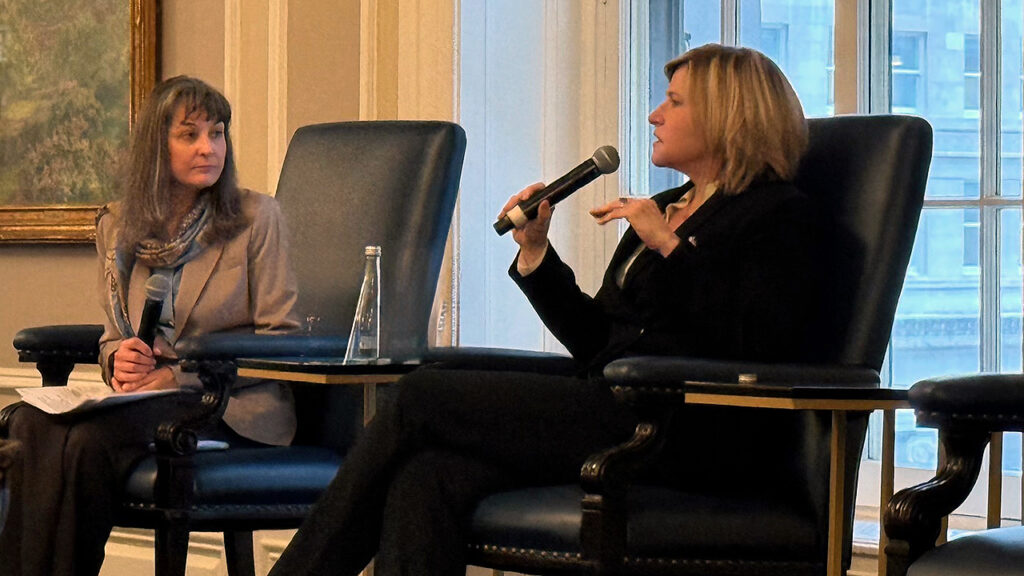
Peers across the industry, including both Canadian roads (CN and Canadian Pacific Kansas City) and BNSF (CSX chose not to participate), argued the merger would reduce competition, unlike prior deals that added capacity and end-to-end options with no overlap. They warned the scale of the transaction would concentrate market power, eliminate shipper choice, and introduce service integration risks at critical gateways like Chicago. With networks already delivering growth through targeted investment, innovation and competition, they questioned the need for a high-risk merger when the current rail network is functioning well.
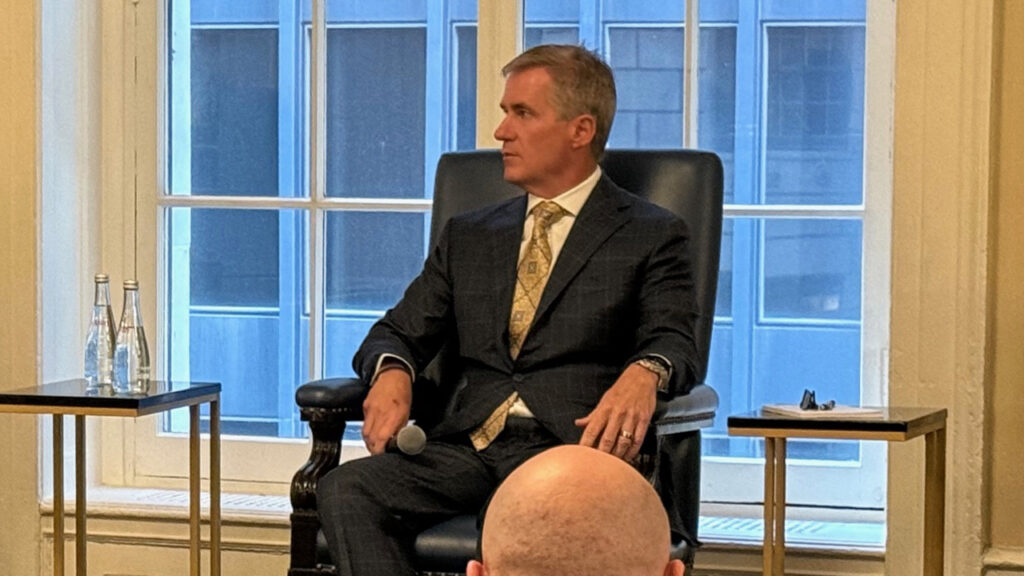
CPKC CEO Keith Creel (also in a discussion with Vantuono) put it best when he said the truth is found in three places: “Your truth, my truth and the truth,” and ultimately “The truth” will decide this merger. “Too big to fail is said for a reason,” he noted. “If it fails, wer all suffer … Ultimately, is that what’s in our nation’s best long-term interests?”
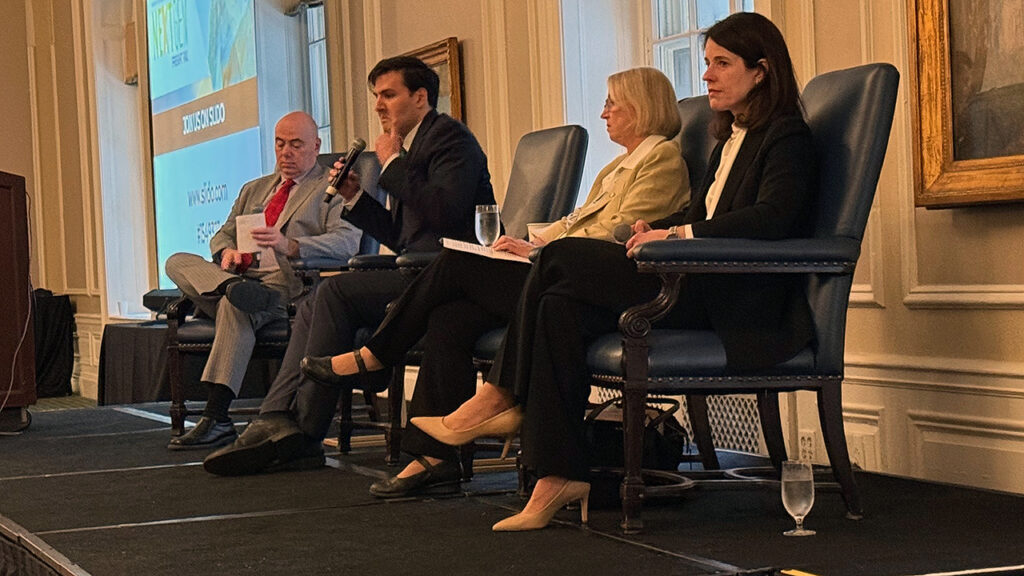
I conducted a fireside chat with all three sitting STB members—Chair Patrick Fuchs, Vice Chair Michelle Schultz and member Karen Hedlund (nominee Dick Kloster is set to appear at an executive session in the Senate Committee on Commerce, Science, and Transportation later today, March 11). The STB is pushing to streamline regulation, with faster environmental reviews and potential categorical exclusions that could reduce project costs and timelines. Clearer federal preemption would limit regulatory fragmentation and support more predictable interstate rail operations. On reciprocal switching, the Board is reconsidering the decades-old framework, as members maintain that the previous industry consensus on switching is stale. They argued that an improved U.S. rail network supports an overhaul. The one thing that struck me was how well all three Board members seemed to work together and generally be on the same page. While they were prohibited from answering any direct questions on the merger, I believe a thorough review of the Union Pacific/Norfolk Southern combination will be conducted and do not expect a resolution until sometime in mid-2027.
There were also separate presentations on technology being used in the industry where railroads highlighted their ability to improve reliability, safety and the customer experience. AI is being used in inspection portals and locomotive-mounted systems to analyze high-resolution images and detect defects without disrupting operations. Intermodal facilities are deploying automation and autonomous vehicles to increase capacity and labor productivity. Digital tools are also improving ETA accuracy and exception management, reducing hidden costs from rail variability.




