CPKC
CPKC recently introduced Schiller Park, a multi-commodity transload facility and the latest addition to the Class I’s network.
The site, CPKC says, “features state-of-the-art equipment, custom-engineered on-site to provide premium transloading solutions shippers can rely on.” Schiller Park specializes in agricultural products while adeptly managing a wide array of commodities like steel, lumber and free-flowing goods.
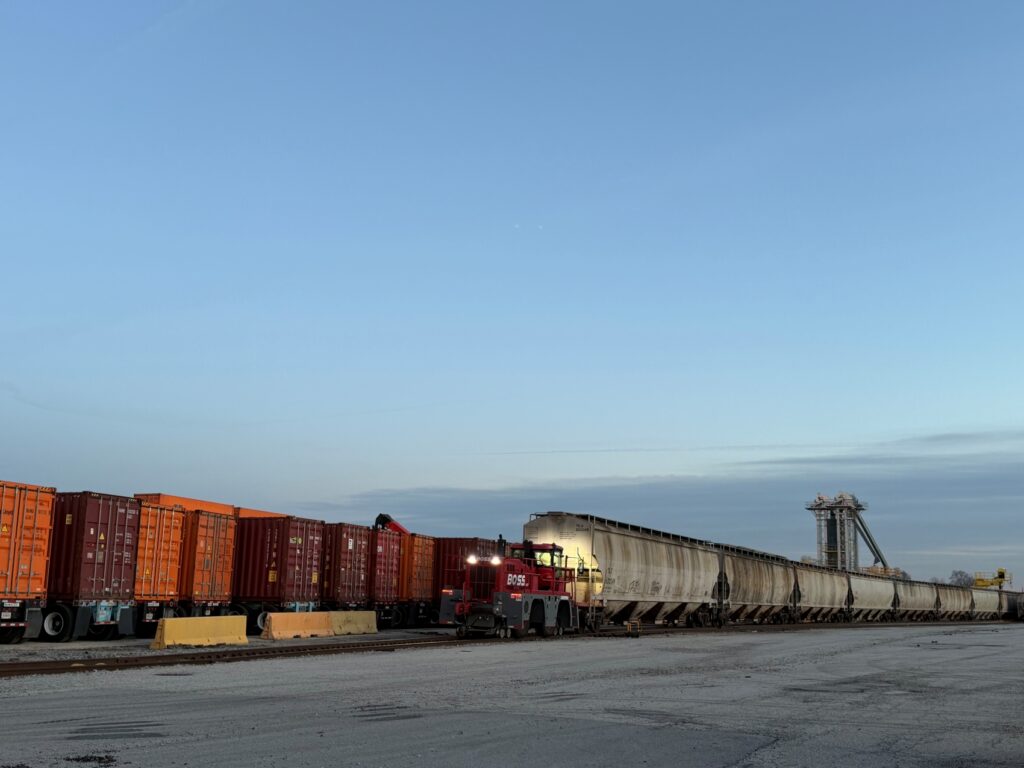
Strategically located next to CPKC’s Bensenville intermodal facility with on-site USDA and FGIS inspection services, Schiller Park “provides customers with seamless access to major transportation routes. Leveraging rail, highway and port gateways, this site creates competitive logistics solutions from the heart of the Midwest,” the Class I said in a LinkedIn post.
As CPKC moves goods south, east and west to ports on the Atlantic and Pacific Coasts, customers get the “fastest single-line rail connection” to the export terminals at port in Vancouver, Montreal, Saint John and Lazaro Cardenas.
UP
UP says it is investing in “cutting-edge technology to deliver unmatched service, safeguard people and communities, and enhance operations—and tech tools like PTB are helping reimagine what’s possible.”
PTB uses advanced physics modeling to simulate the movement of thousands of trains traveling across hundreds of miles of track every day, “recommending the safest, most efficient train builds,” UP said. By optimizing weight, car position, grade and locomotive placement, PTB helps create “strong, fuel-efficient trains ready to tackle steep mountain grades and winding urban routes before freight ever leaves the rail yard.”
Along with being a valuable training tool for employees, PTB also serves as a real-time safety monitoring system, the Class I noted. It issues alerts to Operating experts, who radio locomotive engineers with guidance on adjusting trip plans and track speeds “to help ensure employees and customer freight arrive safely at destination.”
“PTB gives me clear information I can share with crews and managers,” said Steven Terrell, Senior Manager-Operating Practices. “When I recommend a speed change or check a train build, it’s backed by simulation results, not just opinion. That builds trust and speeds up decision-making.”
Insights are then sent back into the system, increasing its detailed capabilities with every trip.
“Having a tool that can quickly analyze risk in detail is a game changer. Before PTB, we relied on a vendor and waited weeks for results,” Terrell said. “Now we do it in-house in minutes, which means faster learning and quicker corrective action.”
Across UP, PTB, the Class I says, is helping teams work safer and smarter by using real-time modeling “to agilely adjust to changing business needs when traffic increases or routes shift; issue alerts to reduce potential risk in daily operations; and pair locomotive engineer feedback with analytical insights to strengthen outcomes.”
“PTB has streamlined many processes,” said T.J. Weisbeck, Senior Director-Operating Practices. “We can now finish root-cause analysis in about five minutes, and predictive analysis in a day—and it’s an easy tool to use. We can be far more efficient.”
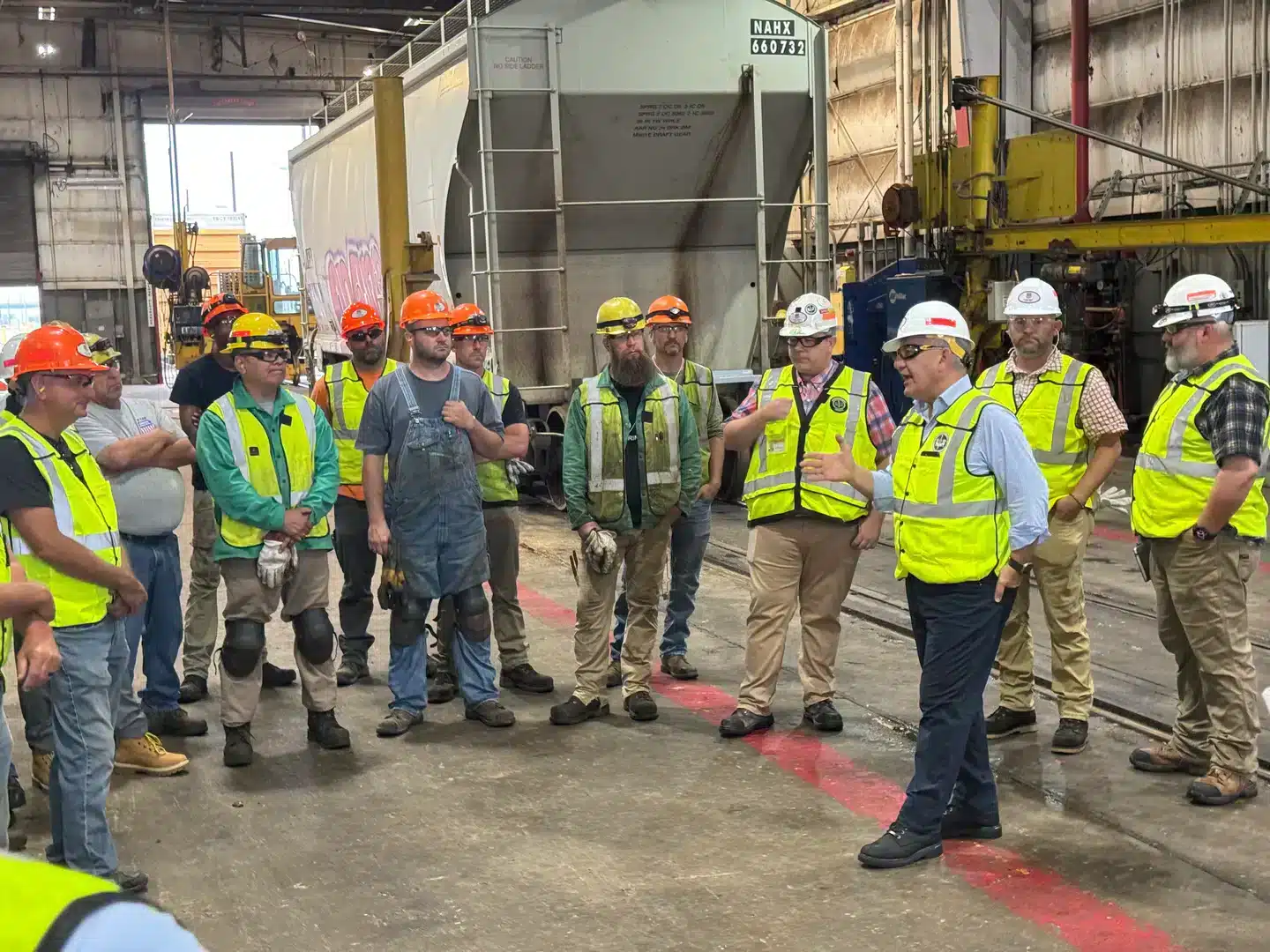
Additionally, UP recently announce, via LinkedIn, that its Shreveport, La., team reached one year injury-free “by slowing down, staying vigilant and holding each other accountable.”
“Every day is an opportunity to keep learning,” said Eugene Stephens Jr., locomotive engineer. “I try to stay safe and keep the people around me safe.”
CSX
CSX welcomed more than 130 short line partners to its annual Short Line Conference, held February 22–24, continuing a tradition that spans 35 years. The conference, the Class I says, “underscored CSX’s commitment to strong partnerships, shared performance and long-term growth across the rail network.”
Structured to foster “meaningful, personal engagement,” the event provided short line leaders with direct access to CSX executives and subject matter experts from across the company. These touchpoints reinforced a central message: “CSX values its short line partners and is focused on growing together,” the Class I noted.
“This conference is about alignment, growing together, performing together and building the future together,” said CSX President and CEO Steve Angel. “When rail works, supply chains work, and our customers experience CSX and our short line partners as one connected railroad.”
The agenda highlighted “operational excellence, commercial strategy and collaboration.” Angel opened the conference with a keynote address, followed by a leadership panel focused on service improvement and operational innovation. Additional sessions covered market outlook, legal and government affairs updates, industrial development and a short line success story, culminating in the annual CSX Short Line Awards.
By bringing partners together for open dialogue and shared learning, CSX says it “continues to strengthen relationships that are essential to delivering safe, reliable and efficient service. The conference reaffirmed the company’s belief that strong partnerships are the foundation of a connected railroad and a resilient supply chain.”