
Equipment industry panelists expect muted 2025 railcar demand amid elevated interest rates and trade uncertainty affecting carloads as well as input prices. Disruptions are likely to benefit secondary market valuations. Labor and regulatory hurdles largely prevent onshoring back to U.S. Rail service in good shape, but panelists are still cautious on this holding through future volume surges.
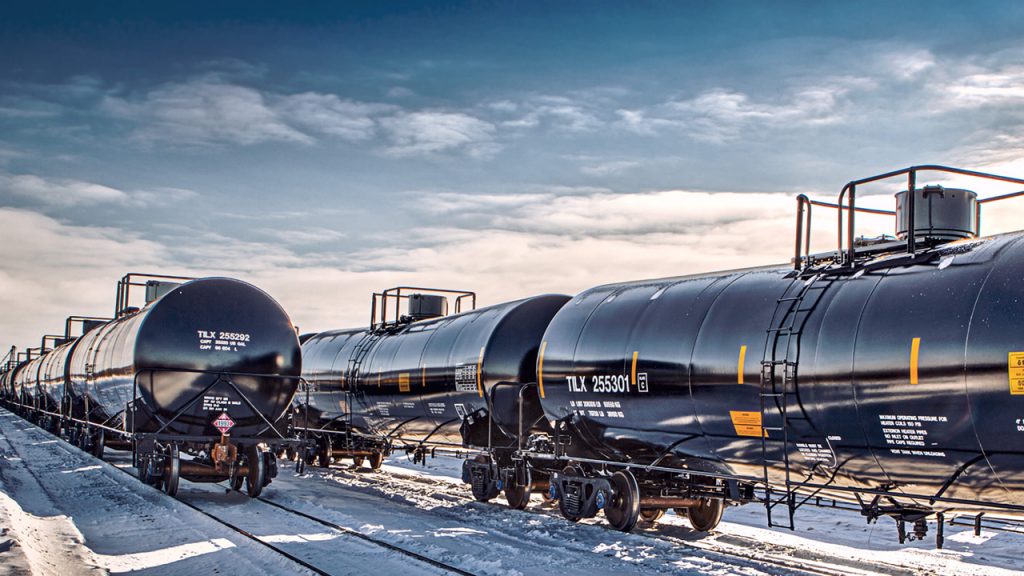
Coming into 2025, there were high hopes for railcar orders, but those are quickly fading. Inquiry activity had already been under pressure in 2024 when rates were held high; with rates still elevated and increased trade tensions, customers are actively focused on 1) committed capital (projects already in the books) and 2) end-of-life railcars. Tank cars are the bright spot due to bi-partisan support to move to the DOT 117 tank cars for improved safety. With less than 10% of railcars made in the U.S., tariffs would have significant impacts on the secondary market if they went into effect. Onshoring production back into the U.S. would be nearly impossible according to our panelists due to lack of skilled labor (mainly welding) and long processes permitting. Railcar owners would be the clear winners if tariffs went into effect and would likely drive pricing in the secondary market materially higher.
The sole railcar manufacturer on the panel emphasized that uncertainty around steel prices is a risk factor for equipment players. Rates on scrap metal have surged materially in anticipation of tariffs and exceeded prior expectations. This panelist is somewhat insulated by escalation clauses in contracts with customers that allow pass through of input inflation. Nonetheless, the prospect of cost increases has served to dampen new orders with activity now limited to replacing old fleets or serving new production activity.
Rail service is in better shape to start 2025, although panelists believe transit times are still relatively elevated and some congestion is still observed at origin and destination locations, creating need for railcar deployment. Class Is have resolved issues relating to train size according to panelists and longer trains are likely here to stay. Panelists were cautious about service quality holding at prevailing levels in the event of a volume surge.
Coal outlook faces considerable uncertainty going forward. Most of the Class I’s offered a largely pessimistic coal outlook for the full year but some panelists on today’s call spoke to the possibility of a plateau in coal volumes instead of a decline. Panelists cited high energy demand and resurgent natural gas prices as factors supporting some anticipatory green shoots in coal. Tariffs could impact export markets and create a divergence in the export and domestic pieces this year.
The locomotive market is not seeing a lot of new orders, and panelists expect rebuilds will continue to be the most popular option. This is a potential positive for companies that service existing locomotives (Wabtec services locomotives). The CARB rule that was canceled is a positive for the locomotive outlook, though panelists still see marginal growth in demand in 2025.




